Ukrainian Community in Slovakia
Community, events, volunteering, and consular services — everything to find your people, get help, and integrate faster in Slovakia. Verified by KOMPAS editorial team.
It's easier to adapt where there are your own people: the Ukrainian community in Slovakia means events, mutual aid, support organizations, and consular services. Many things are resolved not in state institutions but through the community and non-governmental organizations that help with documents, language, work, and daily life.
This page provides information on where to find the community and events, what consular services are available, where to seek humanitarian and social support, and how to integrate faster. The IOM Migration Information Centre provides guidance and contacts of organizations.
Articles about community life in Slovakia



City guides
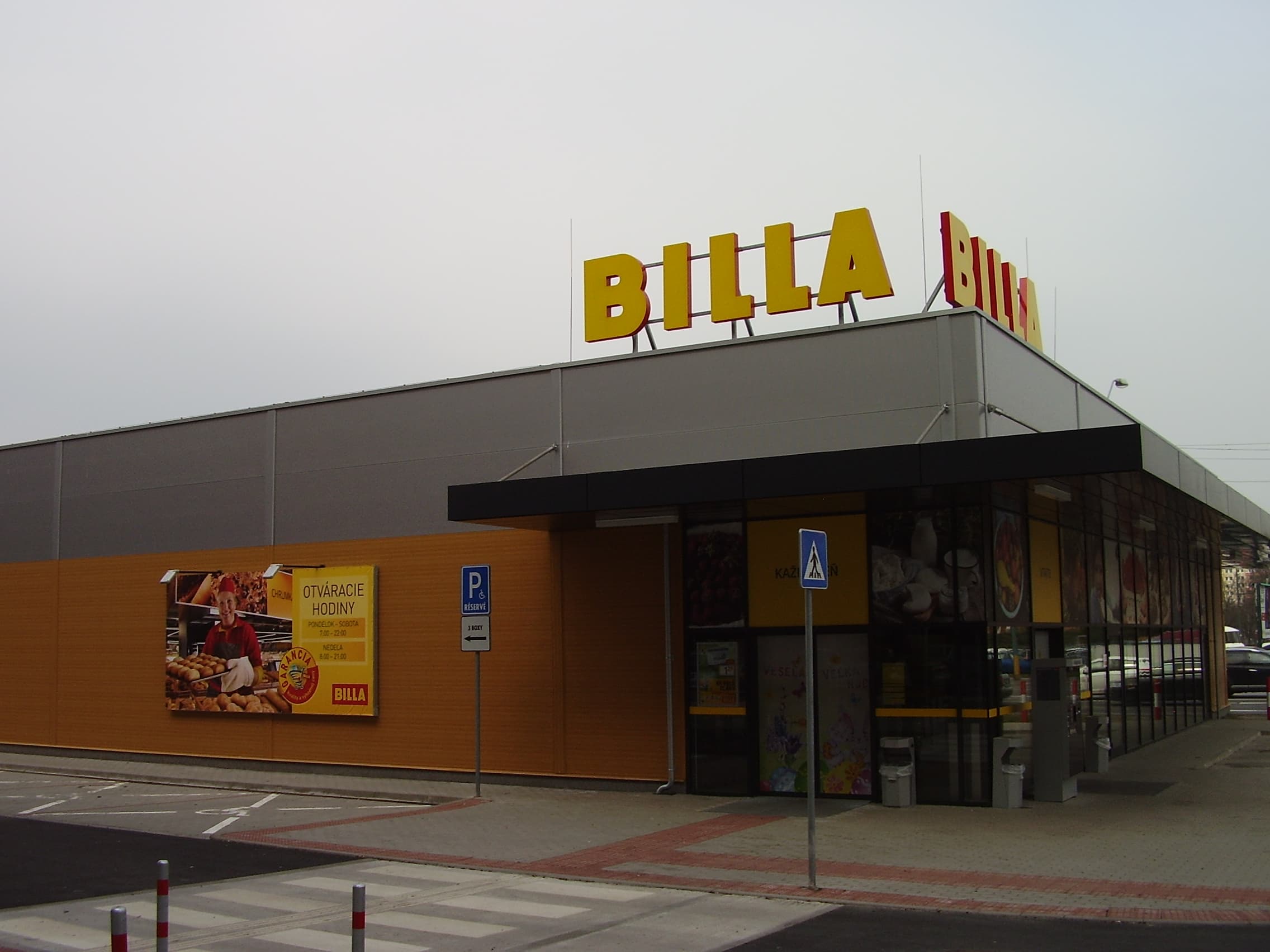
What is where, where to go with your paperwork, what housing costs and how the transport works — city by city.
Dictionary of Public Life
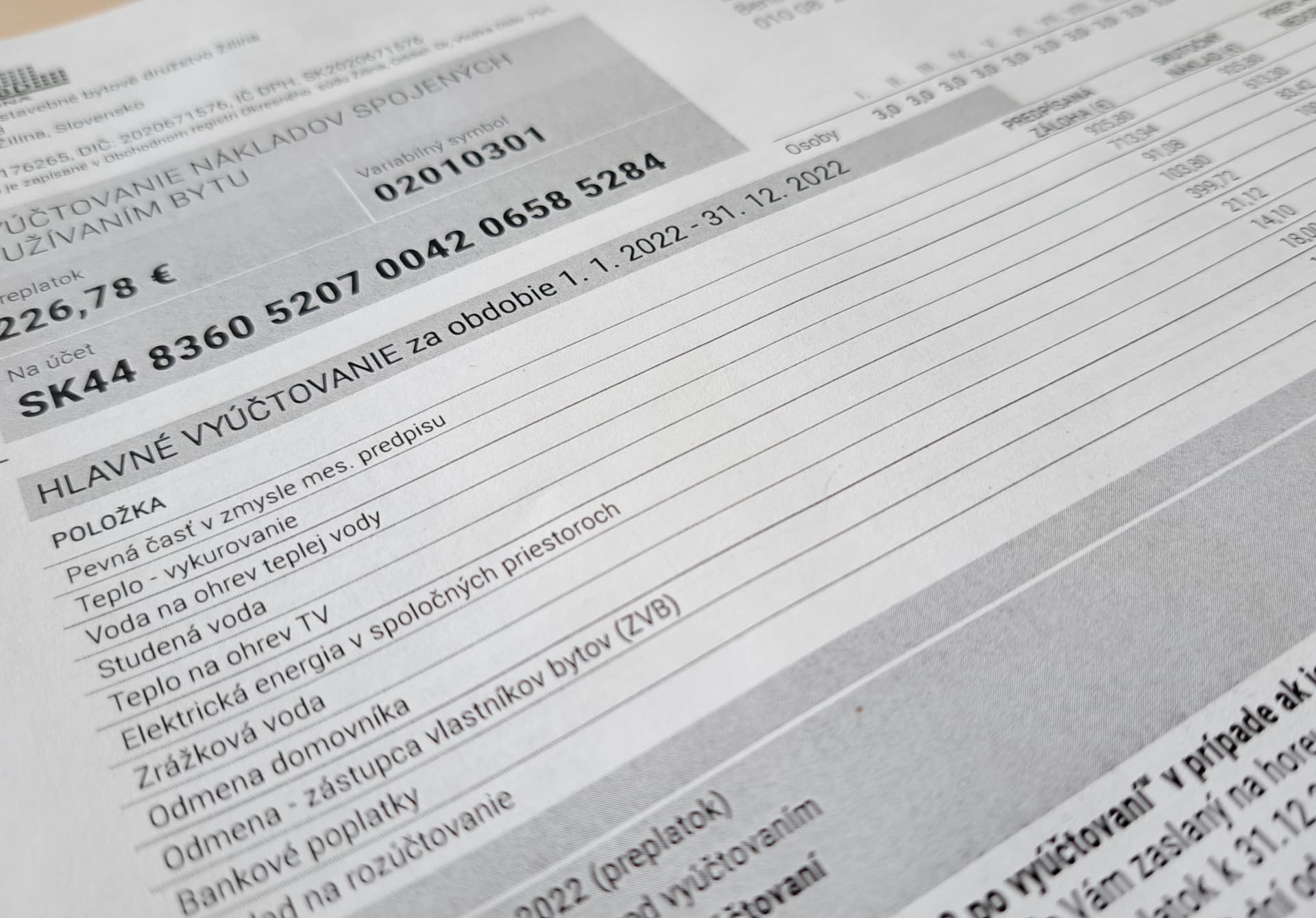
Terms that are useful in dealings with institutions and the community — with translation and explanation
Community News
Events, initiatives, and changes concerning the Ukrainian community — brief and to the point
In Slovakia, after more than 30 hours of searching, a three-year-old boy was found alive
In Košice, Slovakia, two wagons derailed from the tracks at the depot
In Slovakia, students will no longer write mandatory bachelor's theses.
In Bratislava, traffic will be partially limited at the railway crossing in Nové Mesto from July 31.
Interesting events in Slovakia
Meetups, workshops and events for foreigners in Slovakia

Tuning a good signal: discussion with cultural centers
Every Wednesday at 5:00 PM, discussions are held at the "Dobrý signál" exhibition. You can meet in person with represent...
Free
Details
Children's Night of Literature: children's books come alive in Žilina
Children's Night of...
Free
Details
Big Summer Fest: Festival of the 90s and 2000s
Big Summer Fest 2026 — the biggest 90s festival in Central Europe, taking place from July 30 to August 1 at Zelená Voda ...
from €149.90
DetailsBriefly about the main things
Where to find the Ukrainian community and events in Slovakia?
The easiest way to start is with our event calendar: we gather meetings, fairs, concerts, and educational events for the Ukrainian community in the Events section. It shows what's happening nearby in the coming days.
Outside the website, the community gathers around Ukrainian and pro-Ukrainian organizations. Among the most active are Mareena, which focuses on integration and community events, and Človek v ohrození with humanitarian and adaptation programs.
Many things happen locally: Ukrainian Saturday schools, social media communities, and city aid centers. Ask about the nearest centers and follow announcements.
If you have just arrived and don't know where to start, the IOM Migration Information Centre provides guidance and contacts of organizations.
What consular services are available in Slovakia?
Consular matters are handled by the Embassy of Ukraine in the Slovak Republic (Bratislava). They issue and renew foreign passports, ID cards, certificates, powers of attorney (splnomocnenie), notarize documents, and handle other consular matters. The Embassy of Ukraine publishes the current list of services, schedule, and booking information on its website: Embassy of Ukraine.
Some services require an appointment, usually made online. Carefully check the list of required documents in advance to avoid making two trips.
Documents issued by Ukrainian authorities that need to be used in Slovakia often require an official (sworn) translation, and sometimes an apostille — the requirements depend on the institution where you submit them.
If you are unsure whether to contact the consulate or a Slovak institution, the IOM Migration Information Centre offers free guidance.
Volunteering and aid — where to turn and how to help yourself?
If you need help — consultations, humanitarian support, assistance with institutions — contact organizations working with Ukrainians. Key organizations include Mareena with integration programs and Človek v ohrození with humanitarian services.
If you want to help, these same organizations are looking for volunteers: translators, escorts for newcomers, event support, mentoring. You can get involved even for a few hours a week — details and forms are on their websites.
Many local initiatives operate within city communities and social media; ask about current fundraisers and needs in our community and follow announcements.
The IOM Migration Information Centre maintains a general map of support organizations for newcomers.
What humanitarian and social support is available for newcomers?
The Office of Labor, Social Affairs, and Family — ÚPSVaR — is responsible for social benefits in Slovakia. This is where you apply for assistance in material need (dávka v hmotnej núdzi) and other social benefits. The conditions and list depend on your status, income, and family composition, so the right to a specific benefit should be clarified individually.
Rules for people with temporary protection change periodically — check amounts and conditions before applying on the official website of ÚPSVaR. Do not rely on old advice from communities: figures become outdated.
In addition to state benefits, there are humanitarian programs run by non-governmental organizations — from food and clothing aid to consultations. The IOM Migration Information Centre collects guidance.
Many benefits require documents about your stay, income, and registered place of residence — prepare them in advance, as this speeds up the process.
How to integrate faster — language, work, social circle?
The three pillars of integration are language, work, and social circle. Slovak opens access to better job opportunities, institutions, and daily life; where to start learning is covered in the Language section.
Work is not only income but also the fastest way to join the local environment. Look for vacancies, employment procedures, and advice in the Work section.
A social circle is built around events, volunteering, and neighborhood connections: attend community events, meet people, help other newcomers — this works best against isolation.
Systematic advice on adaptation — from housing to documents — is provided free of charge by the IOM Migration Information Centre.
Ukrainian Community in Slovakia: Support and Integration
A brief overview of the topic: community, consulate, aid, and integration. Detailed answers are in the frequently asked questions above.
Community and Events
The community gathers around organizations — Mareena (integration, community events) and Človek v ohrození (humanitarian programs), as well as Ukrainian Saturday schools and city centers. Meetings and events nearby are in our Events section.
Consular Services
Passports, ID cards, powers of attorney (splnomocnenie), and notarial acts are handled by the Embassy of Ukraine in Bratislava — often by appointment online. Ukrainian documents in Slovakia often require a certified translation, and sometimes an apostille.
Humanitarian and Social Support
The ÚPSVaR (Office of Labor, Social Affairs and Family) is responsible for social benefits (including the benefit in material need) — conditions depend on your status, income, and family, so clarify your eligibility individually and check the amounts on upsvr.gov.sk (not based on old advice from communities). Non-governmental organizations (NGOs) also run humanitarian programs.
Volunteering and Integration
Organizations are looking for volunteers (translators, escorts, mentors) — you can get involved even for a few hours a week. The three pillars of integration are language (Language Section), work (Work Section), and social connections through events and community.
Useful Links
- mic.iom.sk — a map of support organizations for newcomers.
- slovakia.mfa.gov.ua — Embassy of Ukraine (consular services).
- upsvr.gov.sk — social benefits (ÚPSVaR).
- Emergency Numbers — 112, police, ambulance, and information numbers in Slovakia.
- Public Holidays: When Shops Are Closed — a calendar of weekends and non-working days.
Looking for your people? Join the community
Events, mutual aid, advice for newcomers, and live communication within the Ukrainian community — daily on our Telegram channel
Subscribe