
Housing in Slovakia for foreigners
Rent, contracts, deposit, utilities, and address for documents — everything to rent housing without risks. Checked by KOMPAS editors, according to current rules 2026.
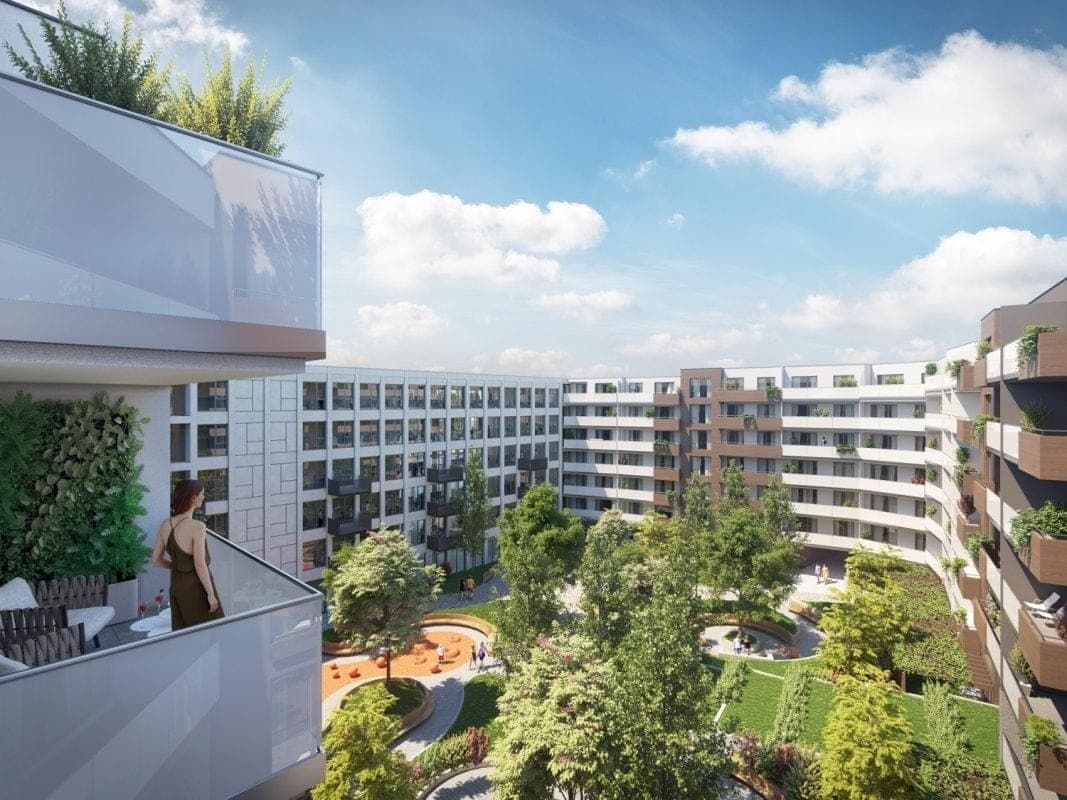
Renting an apartment is the first thing almost every Ukrainian family encounters in Slovakia, and often the source of misunderstandings: who is the real owner, how much security deposit is legal, who pays utilities, and how to get money back when moving out. Another issue is the address for documents: without the owner's written consent for residence registration, it is difficult to obtain a residence permit, open a bank account, or enroll a child in school.
This page provides practical guides on contracts, security deposits (kaucia), utility payments, and tenant rights, as well as a glossary of terms and links to primary sources — slov-lex.sk, slovensko.sk, mic.iom.sk. Legal nuances depend on the type of contract, so verify key decisions with the text of the law or a lawyer.
Articles about housing in Slovakia

City guides
What is where, where to go with your paperwork, what housing costs and how the transport works — city by city.
Housing Dictionary
Key rental terms in simple words — with translation and a short explanation
News about housing
Rental prices, energy costs, changes in laws, and tips — brief and to the point
The number of improvised sleeping places on the streets is growing in Košice
In Bratislava, the fate of the historic Nekvasil house is being decided.
Comenius University plans a large modernization of its dormitories, including Družba.
One third of young Slovaks live with their parents due to housing prices — survey
Key Information
What to check in a rental agreement (nájomná zmluva) before signing?
First, check who the real owner of the property is. Ask the owner for an extract from the land registry (list vlastníctva) — this will confirm that the contract is signed by the owner, not an unauthorized intermediary.
The contract itself must clearly state: the parties, the exact address and description of the apartment, the rent amount and what it includes, separately — advance payments for utilities, the security deposit amount (kaucia), the rental period, and the notice period for moving out. It is useful to record the description of the equipment and meter readings in the handover protocol (preberací protokol).
Separately, check which law the contract is concluded under — the general Civil Code (Občiansky zákonník) or the Act on Short-Term Apartment Rentals (zákon o krátkodobom nájme bytu): your rights upon termination depend on this. Practical advice and templates for newcomers are available on the website of the Migration Information Centre mic.iom.sk.
Security deposit (kaucia) — how much and how to get it back?
A security deposit (kaucia) is a refundable amount that the owner holds in case of unpaid rent or damages. The market usually asks for one to two months' rent, sometimes three. If the contract is concluded under the Act on Short-Term Apartment Rentals, the security deposit by law cannot exceed three times the monthly rent including service payments.
To get the full deposit back, document the condition of the apartment when you move in — photos, description, and meter readings in the handover protocol. This makes it harder for the owner to keep money for wear and tear that existed before you moved in.
Under the same law, the owner must return any unused part of the security deposit within one month after you vacate the property and settle all consumed services. The text of Act no. 98/2014 is available on slov-lex.sk.
How to confirm your registered address for documents?
For many procedures — residence registration, bank account, school enrollment — proof of address is required. The owner provides the key document: written consent for residence registration (súhlas vlastníka s prihlásením na pobyt), often along with an extract from the land registry (list vlastníctva). Arrange this in advance — not every owner agrees to register residents.
With the owner's consent, you register at the residence registration office (ohlasovňa pobytu) at the municipal office (mestský úrad) and receive a certificate of residence (potvrdenie o pobyte). This is what banks, schools, and other institutions ask for.
For foreigners with temporary protection, the address is also registered by the alien police (cudzinecká polícia). The current list of documents and electronic services are available on the government portal slovensko.sk; practical explanations are on mic.iom.sk.
Who pays for utilities and how does the annual statement (ročné vyúčtovanie) work?
In most rental agreements, the tenant pays separately from the 'net' rent for utilities (energie) — electricity, gas, water, heating, often internet and waste disposal. These are usually monthly advance payments (preddavky) that the owner or administrator (správca) pays to the suppliers.
Once a year, a reconciliation is done — ročné vyúčtovanie: actual consumption is compared with the advance payments made. If you paid more than you consumed, the difference is returned; if less, you pay the difference.
Therefore, keep meter readings from the time of moving in and moving out, and ask for a copy of the annual statement.
There is also a separate local fee for waste disposal (poplatok za komunálny odpad) — you register for this at the municipal office in your place of residence. Who exactly pays it should be specified in the contract. Practical advice on utility payments for newcomers is available on mic.iom.sk.
What are the tenant's rights regarding rent increases or eviction?
Your protection depends on which law the contract is concluded under. Under the general Civil Code (Občiansky zákonník), the tenant is better protected: the owner cannot arbitrarily increase the rent or evict you, and termination is only possible for reasons specified by law, with adherence to the notice period.
Under the Act on Short-Term Apartment Rentals (zákon o krátkodobom nájme bytu) (no. 98/2014), the terms are more flexible in favor of the owner: shorter notice periods and simpler termination, but everything must be clearly stated in the contract. Therefore, it is important to know the type of contract before signing.
Rent increases within the contract term are allowed only if stipulated in the contract. If you consider the termination or increase unlawful, do not move out immediately under pressure — first, consult the text of the law on slov-lex.sk or a lawyer. General information on housing rights is also provided by the Ministry of Justice justice.gov.sk.
Renting an Apartment in Slovakia: What You Need to Know 2026
A concise knowledge base on renting: contract, security deposit, address for documents, utilities, and tenant rights. Detailed answers are in the frequently asked questions above; here is a topic map with links to official sources.
Rental Agreement (nájomná zmluva)
Before signing, check who the real owner is — ask for an extract from the land registry (list vlastníctva). The contract must include the parties, address, rent amount, separate advances for utilities, security deposit, term, and notice period. Record the condition of the apartment and meters in the acceptance certificate. It is important which law the contract is based on — the Civil Code (Občianskym zákonníkom) or the Act on Short-Term Apartment Rental (č. 98/2014).
Security deposit (kaucia): how much and how to return it
On the market, they usually ask for 1–2 (sometimes 3) monthly rents. According to the Act on Short-Term Apartment Rental, the security deposit cannot exceed three times the monthly rent with payments. The owner must return the unused part within one month after moving out and settlement. The text of Act č. 98/2014 is available at slov-lex.sk.
Address for documents
For residency, bank, or school, you need proof of address. The owner provides written consent for residency registration (súhlas vlastníka), often with an extract from the land registry. With this, you register at the residency office (ohlasovni pobytu) at the municipal office and receive a residency certificate (potvrdenie o pobyte). Arrange this in advance — not every owner agrees. Electronic services are available at slovensko.sk.
Utilities and annual reconciliation
In addition to the 'net' rent, the tenant pays for utilities (electricity, gas, water, heat) — usually monthly advances. Once a year, an annual reconciliation (ročné vyúčtovanie) is done: actual consumption is compared with advances, and the difference is either refunded or paid additionally. Keep meter readings when moving in and out. Separately, there is a local fee for waste disposal.
Tenant's rights
Under the general Civil Code (Občianskym zákonníkom), the tenant is more protected (termination only for legal reasons, with a notice period); under the short-term rental act, the terms are more flexible in favor of the owner. Rent increases within the contract term are only possible if stipulated in the contract. In case of illegal termination, do not move out 'under pressure' — consult justice.gov.sk or a lawyer.
Official sources
- slov-lex.sk — texts of laws (including č. 98/2014 on short-term rental).
- slovensko.sk — residency and address registration, e-services.
- justice.gov.sk — Ministry of Justice, housing rights.
- mic.iom.sk — practical advice and templates for newcomers.
Looking for housing or have questions about renting? We are here for you
New rental listings, prices, advice on contracts and utilities — daily on our Telegram channel
Subscribe