Slovak Language for foreigners
Courses, levels, official certificates, and sworn translation of documents — everything you need to learn Slovak and communicate confidently with institutions. Verified by the KOMPAS editorial team.
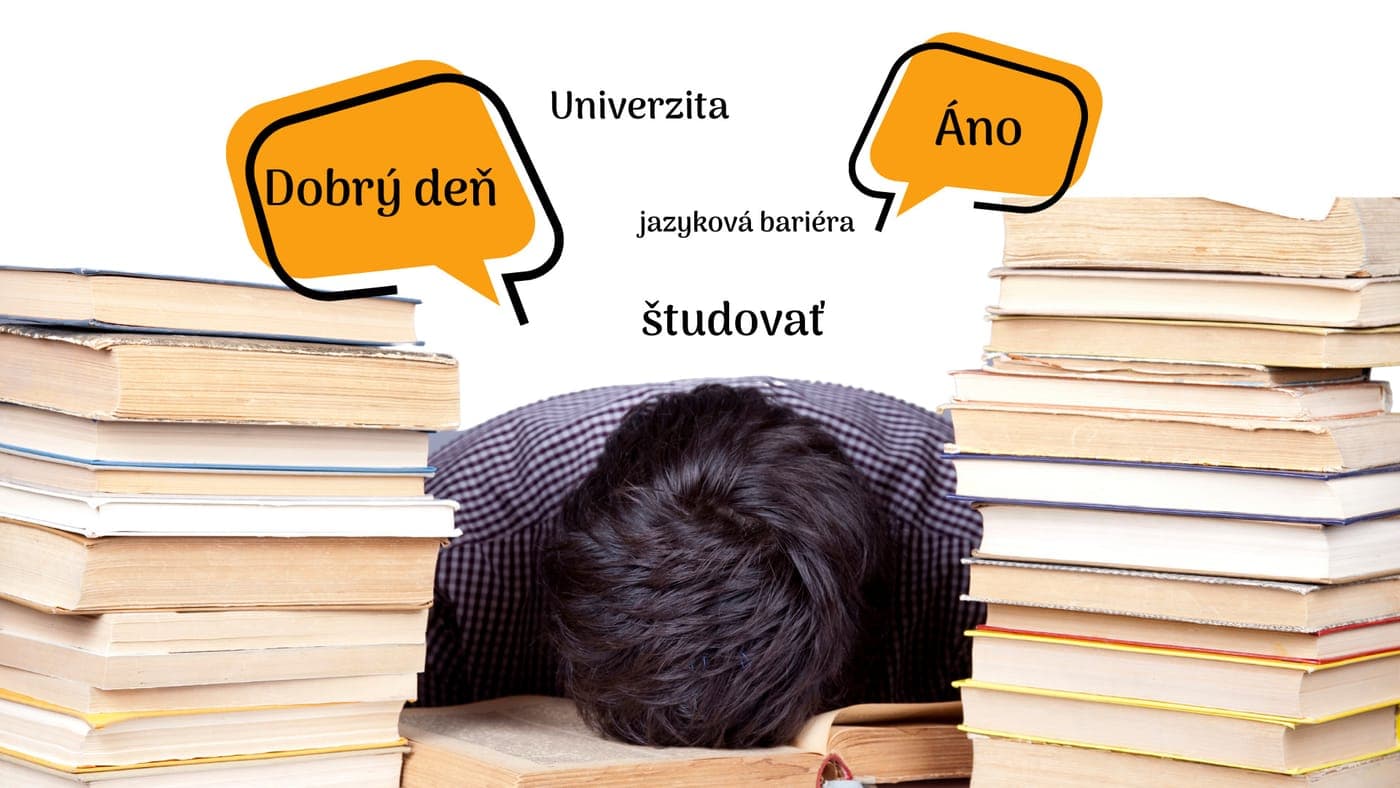
Slovak for Ukrainians is not the biggest obstacle: common Slavic roots, similar vocabulary, and grammar provide a quick start, and basic understanding often comes within a few weeks of practice. However, it is a separate language with its own pronunciation and cases, and without it, it is difficult at work, at school, and in many procedures — even for language checks when obtaining citizenship.
This page gathers information on where to learn Slovak (including free courses), how the A1–C2 levels and certificates are structured, when an official (sworn) translation of documents is needed, as well as a glossary and links to official sources — minedu.sk, mic.iom.sk, translator registry justice.gov.sk.
Articles about the Slovak Language

Useful services
Reference guides and tools for this topic.
Dictionary: Language and Documents
Terms about language, translations, and document certification in simple words
News about Language and Integration
Courses, exams, certificates, and language requirements — short and to the point
Key points
How difficult is Slovak for a Ukrainian and how long does it take to learn?
Slovak is noticeably easier for Ukrainians than for speakers of non-Slavic languages: common origin, similar vocabulary, and grammar speed up the start. Basic understanding often comes within a few weeks of active practice.
At the same time, it is a separate language with its own pronunciation, cases, and 'false friends,' so without systematic learning, a language barrier quickly appears. The time to reach a confident B1 level is very individual — it depends on the intensity of classes, the environment, and previous experience, so promises of 'in N weeks' should be avoided.
Those who combine courses with daily practice make the fastest progress: work, communication, and media in Slovak.
Descriptions of levels and materials for self-study are available on the migrant portal mic.iom.sk; official information on language education is on minedu.sk.
Where can I find free or cheap Slovak courses?
Free and inexpensive courses are offered by several sources. The Migration Information Center IOM (MIC) organizes Slovak courses for foreigners online and in cities.
Language classes are also conducted by NGOs helping Ukrainians, some libraries, and communities, and state funding supports language support for foreign children in schools. Often, such courses are free or have a symbolic fee.
Paid language schools offer a more intensive pace and preparation for certificates; choose based on your level, schedule, and goal (work, study, daily life).
An up-to-date list of courses and registration is available at mic.iom.sk; general information on language education is at minedu.sk.
CEFR levels A1–C2 and which one is needed for work or study?
Language levels are described by the Common European Framework of Reference for Languages (CEFR): from A1–A2 (beginner) through B1–B2 (independent user) to C1–C2 (proficient user).
For many jobs, A2–B1 is sufficient to understand instructions and communicate with colleagues; skilled positions and jobs involving people usually require B2 and above. For university studies in Slovak, B2–C1 is more often required.
Separately: for some procedures (e.g., obtaining citizenship), a Slovak language proficiency test is required — clarify the requirements and format in advance with the relevant authority.
Descriptions of levels and requirements for language education are on minedu.sk; practical guidance for foreigners is on mic.iom.sk.
What are the official Slovak language certificates?
You can officially confirm your Slovak language level in several ways. The state language exam (štátna jazyková skúška) is taken at state language schools — the result is recognized by institutions and employers.
There is also an international ECL certificate for EU languages, which is accepted for study and work. Different programs and authorities may recognize different certificates, so clarify which document is required before paying for preparation.
The exam usually tests reading, writing, listening, and speaking at the chosen level.
A list of state language schools and exam rules is on minedu.sk; general integration advice is on mic.iom.sk.
Do I need an úradný preklad (official translation) of documents and where can I find a translator?
Yes. For official procedures, Slovak institutions accept foreign documents only with an official (sworn) translation — úradný / súdny preklad. A regular translation from an agency is not suitable for this.
Such a translation is done only by a sworn translator (súdny prekladateľ) registered in the official registry of the Ministry of Justice. The translator is selected by language pair (Ukrainian–Slovak) and location; they then bind the finished translation to a copy of the document and seal it.
Some documents may also need to be apostilled or notarized before translation — the requirements depend on the institution to which you are submitting them.
The official registry of sworn translators is maintained by the Ministry of Justice — justice.gov.sk; explanations about documents for Ukrainians are on mic.iom.sk.
Slovak for Foreigners: How to Learn 2026
A concise overview of the topic: difficulty, courses, levels, certificates, and document translation. Detailed answers are in the frequently asked questions above.
How difficult is Slovak
It is easier for Ukrainians than for speakers of non-Slavic languages, but it is a separate language with cases, pronunciation, and 'false friends.' The time to reach a confident B1 level is very individual — it depends on intensity and environment, so promises of 'in N weeks' should be avoided. Those who combine courses with daily practice make the fastest progress.
Where to learn: free and paid courses
Free or cheap courses are organized by the Migration Information Center IOM (mic.iom.sk), NGOs, libraries, and communities; state funding supports language support for foreign children in schools. Paid language schools offer a more intensive pace and preparation for certificates.
CEFR levels: which one is needed
| Level | Purpose |
|---|---|
| A1–A2 | Daily life, basic communication |
| B1 | Many jobs, understanding instructions |
| B2–C1 | qualified positions, university studies |
Separately: for some procedures (e.g., citizenship) a language knowledge check is required — clarify the format in advance. Description of levels — on minedu.sk.
Certificates and document translation
The level is confirmed by a state examination (štátna jazyková skúška) or an international ECL — clarify which document is required for you. For official procedures, foreign documents are accepted only with a sworn translation (úradný / súdny preklad) by a translator from the Ministry of Justice registry justice.gov.sk; some documents also require an Apostila.
For quick everyday translation — a free Ukrainian-Slovak online translator with a thematic phrasebook. For documents, clarify the type of translation and certification with the institution.
Official sources
- minedu.sk — language education, state language schools, exams.
- justice.gov.sk — registry of sworn translators.
- mic.iom.sk — courses and advice for foreigners.
Questions about the Slovak language? Ask the community
Advice on where to learn the language, how to pass the exam, and find a sworn translator — on our Telegram channel
Subscribe