
kompas
Tax identification number

What does “DIČ” mean in Slovakia?

DIČ (Daňové identifikačné číslo) is a tax identification number given by the tax office (daňový úrad). The tax office uses it to identify you in tax matters.

Why you need it

  • You must write it on your daňové priznanie (tax return) and on your invoices if you are a business owner.
  • You need it for any communication with the tax office.

You get a DIČ after you register with the tax office. For example, when you open a živnosť (sole-trader licence), the registration usually happens automatically. It is usually a ten-digit number. It is important not to confuse DIČ with IČ DPH. IČ DPH is a separate number for VAT payers (DPH). Only businesses registered as VAT payers have this number. Not every business owner is a VAT payer, so not everyone has an IČ DPH, but everyone registered has a DIČ.
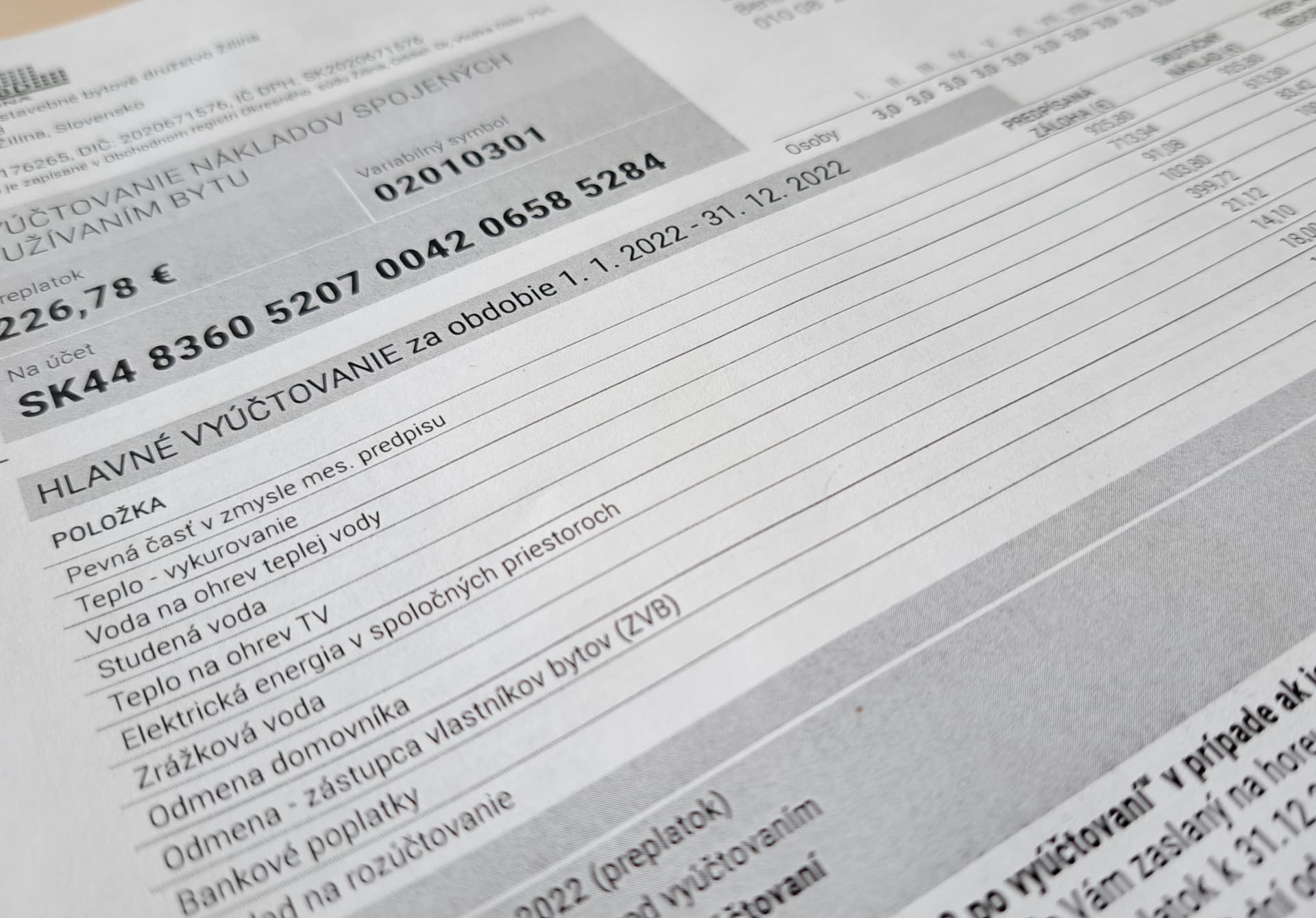

Important. Do not confuse DIČ (a regular tax number, every entity has one) with IČ DPH (a VAT payer number, only registered VAT payers have one) — they are easy to confuse in documents.

Examples of use

SK
Enter your tax identification number (DIČ) on the tax return.
Enter your DIČ (tax identification number) on the tax return.
SK
The Tax Office gave me a tax identification number (DIČ).
The tax office assigned me a DIČ (tax identification number).
SK
DIČ is not the same as IČ DPH.
DIČ is not the same as IČ DPH (VAT payer number).

Articles on this topic

News on this topic

Frequently asked questions

How to get a DIČ?
The tax office assigns it after registering the entity. When opening a živnosť (sole-trader licence), registration with the tax office usually happens automatically, and they will send you the number.
What is the difference between DIČ and IČ DPH?
DIČ — a general tax number that every registered entity has. IČ DPH — a separate VAT payer number, which only those who are registered as VAT payers receive.
Does a hired employee have a DIČ (tax identification number)?
You do not need a separate DIČ (tax identification number) if you are only an employee. Your employer handles taxes for you. DIČ is mainly important for sole traders and companies.

Similar terms