
Mentality is a set of established ways of thinking, values, behavior patterns, and reactions that are formed in a person under the influence of culture, history, and social environment. It is not just a set of rules or traditions—it is an internal system by which society functions daily, often without even realizing it.
For Ukrainians who have moved to Slovakia, understanding the local mentality is no less important than knowing the language or legislation. Culture shock can be unexpected: Slovaks and Ukrainians have common Slavic roots, but centuries of different historical experiences have shaped fundamentally different societal attitudes.
Ukraine has gone through long periods of statelessness, constant struggle for survival and identity, which has left a mark on its mentality: flexibility, resourcefulness, and the ability to adapt in any conditions.
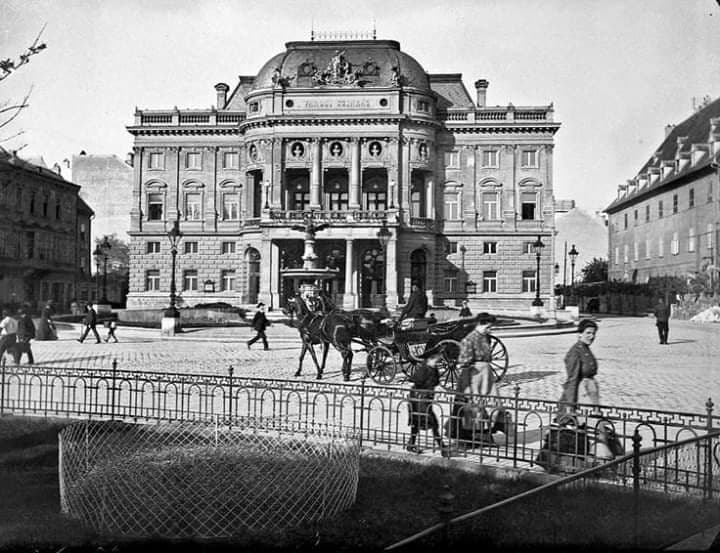
Slovakia, on the other hand, went through a difficult path through Austria-Hungary and socialism but gained independence in 1993 as part of the "Velvet Divorce"—without upheavals, with clear institutions and stability. This difference in experience is still felt today.
Historical and Cultural Factors Shaping Slovak Society
Slovak identity was formed under conditions of a long lack of its own statehood. For over a thousand years, Slovaks were under Hungarian, and then Austro-Hungarian, rule. This developed in them, on the one hand, resilience and the ability to preserve culture despite pressure, and on the other hand, a certain caution and restraint in relations with authorities and strangers.
The socialist period (1948–1989) also significantly influenced society. A culture of equality and dependence on the state—all this left traces in the minds of the older generation. At the same time, young Slovaks, who grew up in an independent country and in the context of European integration (Slovakia joined the EU in 2004), are much more open and individualistic.
Regional differences in Slovakia are also worth considering. Bratislava is a cosmopolitan capital with a faster pace of life, where people are used to foreigners. Central and Eastern Slovakia are more conservative, where family values and religion play a significant role. It is in these regions that the Ukrainian community most often feels a cultural distance.
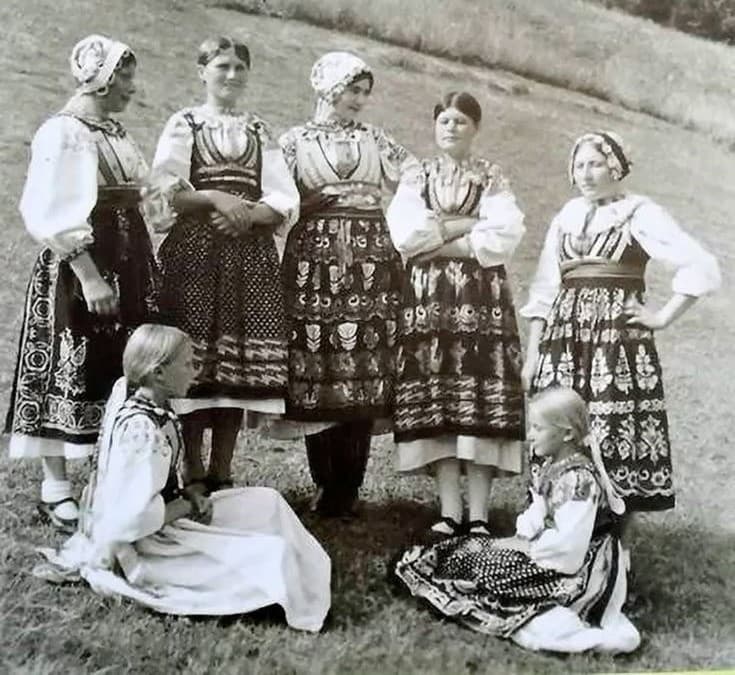
Core Values of Slovak Society
To understand the behavior of Slovaks, it is important to first understand what they value. These values are not always obvious to an outside observer, but they explain most situations that seem strange or incomprehensible to Ukrainians.
Personal Life and Personal Space. For Slovaks, the boundary between public and private is extremely important. They are not used to sharing personal details with strangers and do not expect it from others. Asking about salary, marital status, or health problems upon first meeting is a violation of unwritten rules.
Stability and Security. Slovaks generally choose predictability over risk. They rarely change jobs for "new horizons," prefer a stable income over a large but uncertain earning, and plan their future years in advance. This is why the entrepreneurial culture is less developed here than in some neighboring countries.
Law-Abidingness and Trust in Rules. Perhaps one of the most noticeable traits for Ukrainians. Slovaks follow the rules—on the road, in line, in dealings with state institutions. Not because they fear punishment, but because they consider it the norm. Circumventing the system or "making a deal" is perceived negatively.
Family Values. Family remains a central element of social life. Weekends are often dedicated to family gatherings, and help between generations is the norm. At the same time, family matters are a purely internal sphere, and outside opinions are not welcome.
Thrift and Practicality. Slovaks rarely spend money impulsively. They weigh purchases, value quality and durability, and tend to save money "for a rainy day." Demonstrating luxury or extravagance is not something that evokes admiration in Slovak society.
Pace of Life: Between Work and Leisure
One of the first things Ukrainians notice in Slovakia is a different rhythm of life. It is neither faster nor slower—it is simply more structured and predictable.
In large cities, especially Bratislava, the pace is quite active: people hurry to work, cafes are full in the morning, and public transport runs strictly on schedule. But at the same time, there is none of the nervous tension characteristic of megacities. In smaller towns and villages, time flows even more smoothly.
Work-life balance is not just a trendy concept but a real practice. A Slovak office gradually empties on Friday afternoons. Extra work is not a sign of dedication—on the contrary, it can signal poor organization. Vacations are taken in full, and no one checks work email while on vacation.
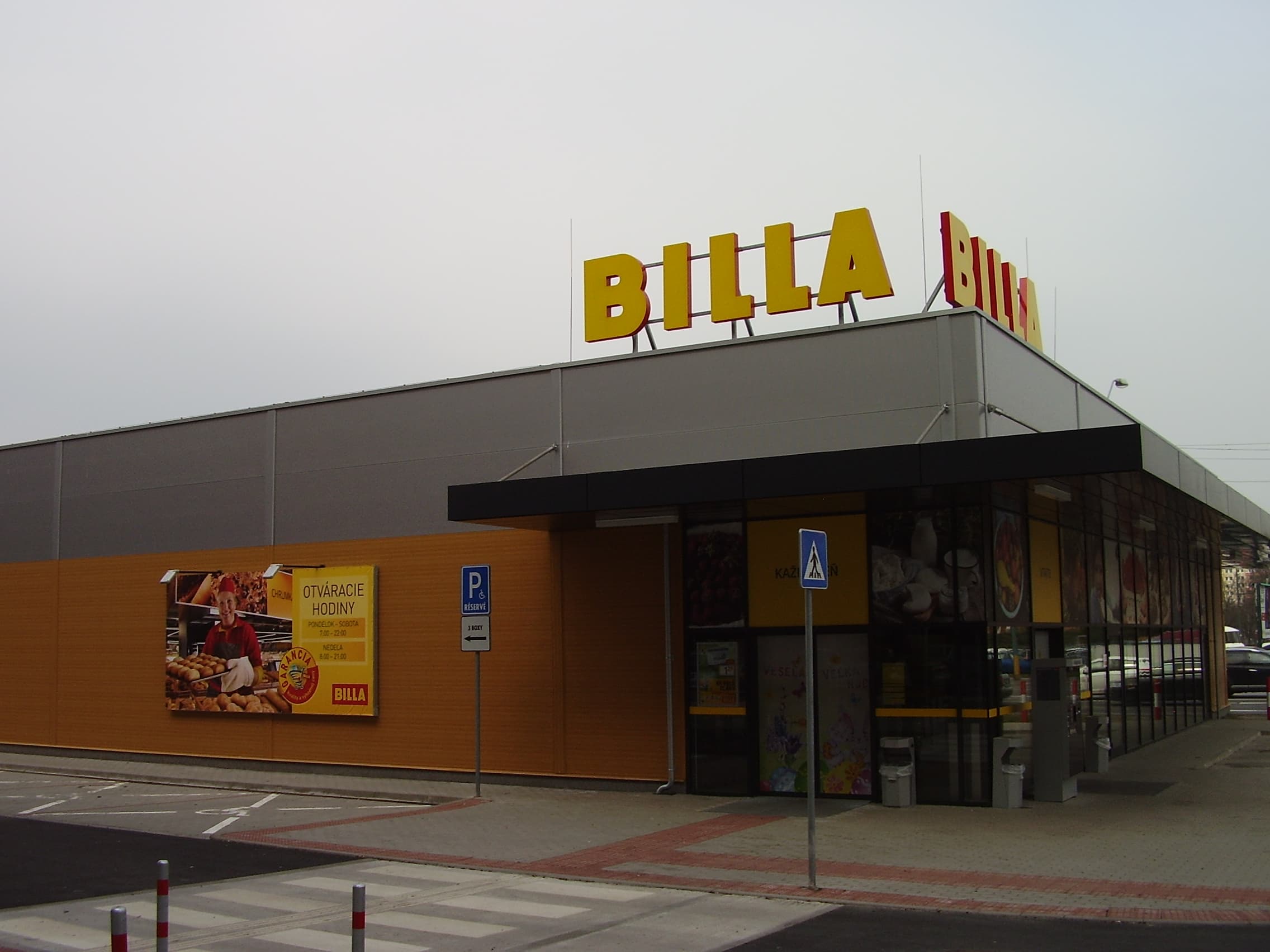
Weekends are sacred. Sunday is traditionally a family day: large stores have limited operating hours, noise and loud work in apartments are taboo, and parks and nature are filled with families with children. For Ukrainians, accustomed to 24/7 supermarkets and active city life on weekends, this may be inconvenient at first.
Attitude towards time is another significant aspect. Punctuality is important, but not fanatical: being 10–15 minutes late is still acceptable in informal situations. However, in business meetings and official matters—time is valued.
Slovak Communication Culture
Slovak communication is one of the most unexpected aspects for most foreigners, including Ukrainians. At first glance, Slovaks seem reserved, even cold. In reality, behind this reserve lies deep politeness and respect for personal boundaries.
Formality and Address. In Slovakia, there is a clear division between official (vykanie—addressing as "you") and informal (tykanie—addressing as "thou") communication. The transition to "thou" only happens when both parties explicitly offer it. At work, even between colleagues who have worked together for years, a formal address may be maintained. For a Ukrainian, where "thou" among young people is the norm by the second meeting, this may seem strange.
Restraint in Expressing Emotions. In public spaces, Slovaks usually do not display strong emotions. Loud laughter, boisterous discussions, emotional gestures—all this seems excessive. This does not mean that people are insincere. It's just that emotions are considered a personal matter, although not all young people share such calm views.
Directness vs. Evasion. Slovaks are not prone to sharp criticism or a direct "no." Refusal is often expressed softly: "I'll think about it," "It's difficult," "We need to check further"—all of these can mean "no." It is important to get used to such hints to avoid awkward situations.
Personal Questions are Taboo. "How much do you earn?" "Why are you not married yet?" "Why did you do that?"—such questions to a stranger are perceived as an invasion of personal space. Even good acquaintances avoid such topics without an explicit invitation to talk.
Daily Habits and Household Life
Daily household life in Slovakia has its own logic, and it is worth understanding it as soon as possible—especially for those living in apartment buildings or renting housing.
Rules of Coexistence. In Slovak buildings, there are unwritten (and often official) norms: quiet after 10 PM, and often after 9 PM. Loud music, renovations, or even active cleaning on a Sunday morning can lead to complaints from neighbors or even a police call. These rules are taken seriously—and it is better to learn about them immediately upon moving in.
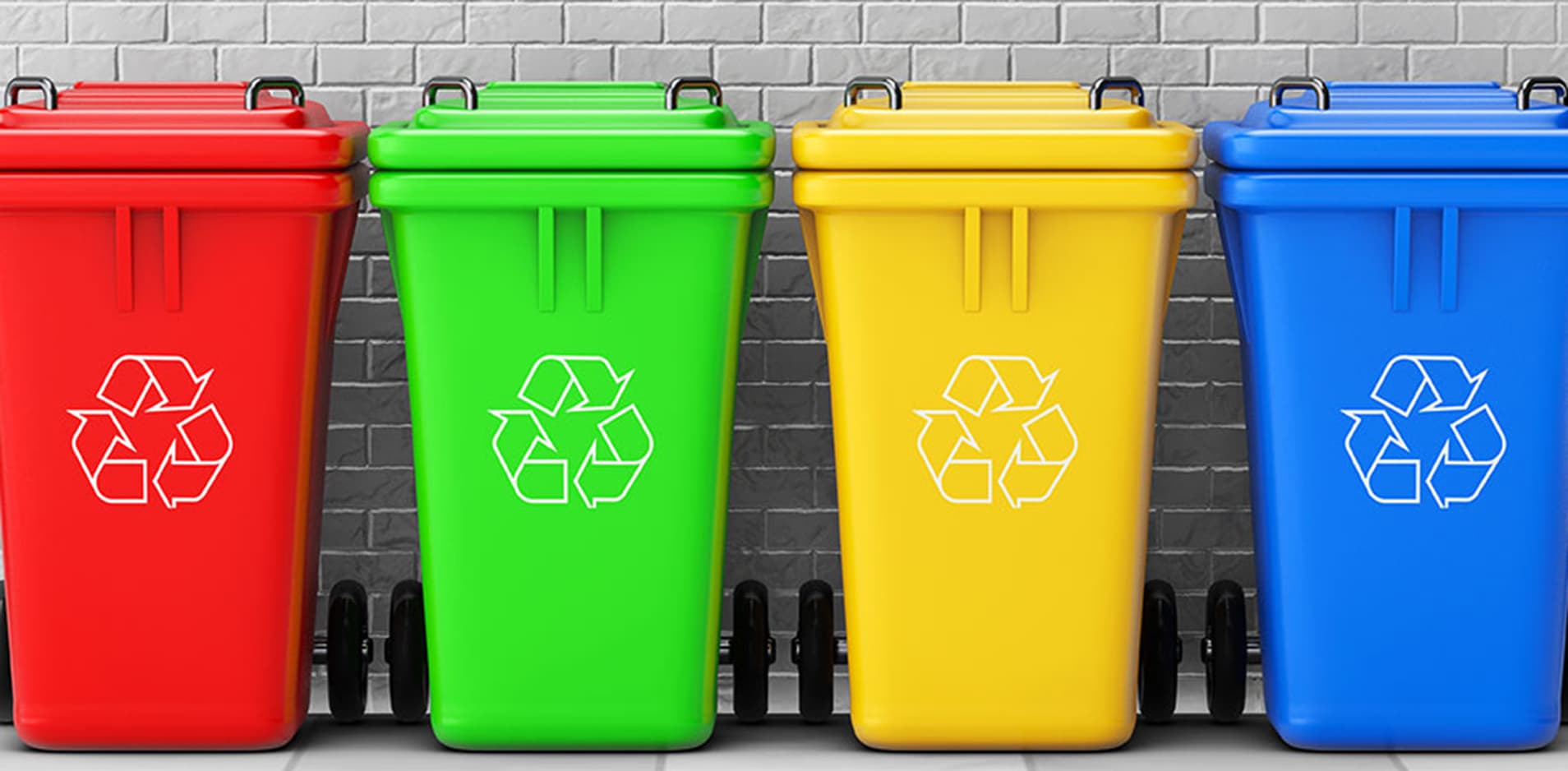
Waste Sorting. Separate waste collection is mandatory: paper, plastic, glass, organic—each type in its own container. Improperly disposed waste can lead to a fine. For most Ukrainians, this is a new practice, but it quickly becomes routine.
Food and Food Culture. Slovak cuisine is hearty, traditional, with an emphasis on meat, potatoes, and dairy products. Bryndzové halušky (dumplings with sheep cheese) is not just a dish; it is a cultural symbol. Slovaks value home-cooked meals and often cook themselves. Restaurant culture exists, but dinner at home with family is a more typical situation.
Personal Space and Quiet. At home and in public places, quiet is the norm. Loud conversations on public transport, talking on the phone for the entire subway car, or noisy behavior in a cafe—all this attracts unwanted attention. Slovaks value personal space and the comfort of others.
Work Culture and Business Ethics
For Ukrainians finding work in Slovakia, understanding the local business culture can be key to successful integration.
Punctuality and Attitude Towards Time. People arrive at work and meetings on time. Being late without prior notice is a sign of disrespect. At the same time, the culture of "staying after work for the sake of results" is not common: if the workday ends at 5 PM, most employees leave at 5 PM.
Hierarchy and Management Style. Most Slovak companies have a clear hierarchy, but it is not authoritarian. Decisions are made at the appropriate level, and initiative from below is respected—but it must be expressed through the correct channels. Open criticism of a manager in a meeting will be perceived extremely negatively, even if it is essentially correct.
Communication Between Colleagues. Working relationships are friendly, but a certain distance is maintained—especially at the beginning. Colleagues rarely become "friends" in the first week. But if you prove yourself to be a reliable person, relationships become warmer over time.
Attitude Towards Overtime. The "always-on" culture is not the norm in Slovakia. Work emails in the evening or on weekends do not require an immediate response; most often, they will wait for business hours. The expectation for an employer to be available 24/7 is rare, and if it exists, it is usually explicitly stated in the contract.
Expectations from Employees. Slovak employers value stability, predictability, and responsibility. Creative breakthroughs and non-standard approaches are valued, but within the structure. Initiative without approval may be perceived not as enthusiasm, but as unprofessionalism.
What Most Surprises Ukrainians in Slovak Behavior
Based on the experiences of Ukrainians living or who have lived in Slovakia, several general observations can be highlighted that most often cause surprise or misunderstanding.
"They are so calm—it's strange." The lack of emotional expressiveness in public spaces is the first thing that catches the eye. A queue in a supermarket without loud conversations, a subway where everyone is silent or looking at their phone, cafes where people talk quietly—all this may seem alien in the first few weeks.
"Why don't strangers smile and start conversations?" Slovaks behave reservedly with strangers. The absence of a smile does not mean hostility—it is simply a default neutral position. Openness comes after relationships are established.
"Clear personal boundaries—and no exceptions." A Slovak will not lend money to a stranger, will not "help bypass" rules, and will not make an exception out of pity. This is respect for boundaries and honesty. The system must work the same for everyone.
"They are really learning, not just trying to get a diploma." Ukrainian students in universities often notice a striking difference compared to our mentality. Since Slovaks go to higher education at an older and more mature age, they more carefully consider their decision about where and what to study. During lectures and seminars, they truly learn, are actively interested in their profession, and sometimes it seems they don't even know what cheating is. It's rare for a Slovak to go to university just to get any diploma somehow.
Typical Cultural Misunderstandings Between Ukrainians and Slovaks
Cultural misunderstandings happen not because of bad intentions, but because of different systems of expectations. Each side acts according to their own norms, and both can be surprised by the other's reaction.
Different Understanding of Politeness. For a Slovak, politeness means restraint, predictability, and respect for personal space. For a Ukrainian, politeness often includes warmth, attention, and involvement in the interlocutor's life. A Slovak who doesn't ask "How are you?" at every meeting might seem cold. A Ukrainian who asks might seem too intrusive.
Differences in Communication Directness. Paradoxically, Ukrainians often communicate directly ("say directly what you think"), while Slovaks avoid direct conflicts. A Slovak who is unhappy about something might stay silent for months, but then suddenly end the relationship. A Ukrainian expects an open conversation and might be shocked by a sudden "disappearance" or coldness.
Perception of Initiative. High initiative, which is valued in the Ukrainian environment, can be seen in Slovakia as crossing boundaries or trying to bend the system. At the same time, Slovak restraint in new situations might seem like passivity or indifference to Ukrainians.
Difference in Work Expectations. Ukraine is a country with a survival culture, where the ability to adapt quickly and "make something out of nothing" is a virtue. Slovak employers appreciate this, but they also need predictability. Excessive initiative without prior agreement or changing plans on your own—even if it led to a better result—can be seen as unprofessionalism.
Common Myths About Slovaks
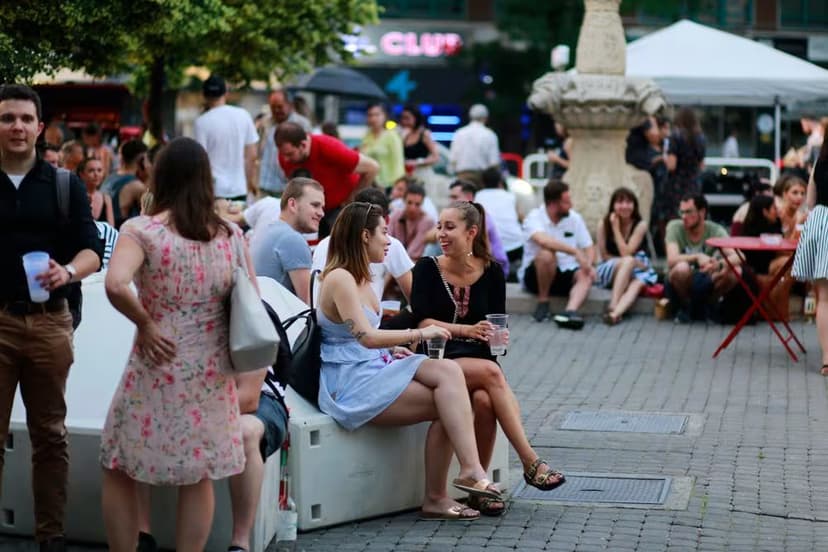
Along with real cultural characteristics, there are also stereotypes that are worth getting rid of to have a more objective view of Slovak society.
"Slovaks are closed off and not cheerful." Actually, no. Slovaks know how to have a good time, love beer and parties, and value humor and friendship. It just takes more time to become close. If a Slovak invites you to a BBQ or to their home, it's already a serious level of trust.
"Everyone strictly follows the rules without exception." Rules are respected, but exceptions exist. They are just not the norm, but the result of real relationships or circumstances. "Connections" also work, but much less than in Ukraine, and with a different logic.
"Slovak society is the same everywhere." Bratislava and a small town in Orava are two different Slovacias. Generations also differ significantly from each other. Urban youth who grew up in the era of the internet and the EU are much more open and mobile than the older generation in the provinces.
"It is difficult for foreigners to integrate." This is partly true; integration takes time and effort. But Slovaks are very positive towards foreigners who make an effort (learn the language, respect the norms, do not isolate themselves in their community).
Cultural Differences as a Resource
Understanding the mentality of the country you live in is not just about good manners. It is a practical tool for a more comfortable and effective daily life.
Cultural differences between Ukrainians and Slovaks are real, but not insurmountable. Moreover, they can enrich both sides: Slovaks gain dynamism, warmth, and adaptability in crisis situations from Ukrainians. Ukrainians gain structure, respect for norms, and confidence in the future from Slovaks.
The main thing to remember is that we are all still human, we are all different, and everyone always needs a personal approach, regardless of nationality. Cultural differences are natural, and understanding the local mentality greatly simplifies adaptation and life in Slovakia. Do not try to change Slovaks, and do not try to completely "become Slovak"—find a balance where your identity and the local culture enrich each other.
Slovakia is a country that offers stability, safety, and quality of life. To truly benefit from this, it is worth understanding the people who live here.