
This question is explained by analyst Michal Páleník from Inštitút zamestnanosti (Employment Institute) in the podcast Aktuality Nahlas, why most new labor migrants in Slovakia do not stay here forever. Migrants increasingly compete not with Slovaks, but with Ukrainians: for the same jobs in manufacturing and warehouses. Below is about how the labor market has changed and what it means for those who work or look for work here.
How many foreigners work and where they come from
As of September 2025, 135,195 foreigners worked in Slovakia, about 6.8% of all employed in the country. In two years their number increased by almost 30 thousand, and almost all this growth came from workers from countries outside the EU, writes RTVS.
Ukrainians remain the largest group: over 50 thousand people, about one-third of all foreign workers. But the picture is already different. After Ukrainians come citizens of Serbia, India, Czechia, and Romania. The fastest growing group is Indians: in 2025 their number almost tripled. As Aktuality.sk notes, two new groups joined Ukrainians: workers from Southeast Asia and from former Soviet republics.
Who competes with whom
Páleník says: “Except for a few teenagers in Bratislava, migrants usually do not compete with local workers.” They rather fill vacancies that Slovaks do not want to take.
Statistics confirm this: 36.8% of foreigners work as operators and equipment assemblers, another 18.4% as auxiliary unskilled workers. Meanwhile, the share of foreigners in manager and specialist positions has halved over the decade, down to 17.8%. According to the analyst, few people with higher education come. Mostly these are men with secondary education who want to earn money for a few years.
For Ukrainians the practical consequence is: competition for vacancies in the most common unskilled positions will increase, while there is more free space in skilled positions. If you are looking for a job or want to change the field, check our section about jobs and vacancies.
Why Slovakia is looking for foreigners at all
The reason is simple: there is a catastrophic shortage of staff. Low birth rates and aging population created a deficit in industrial production, healthcare, transport, and construction. In 2024 the biggest demand was for stationary equipment operators, skilled builders, and drivers.
What changed in laws — important for Ukrainians
The state simultaneously simplifies hiring foreigners and complicates their settling. Several key changes:
From July 15, 2024 the processing time for a residence permit application for employment was reduced from 90 to 60 days.
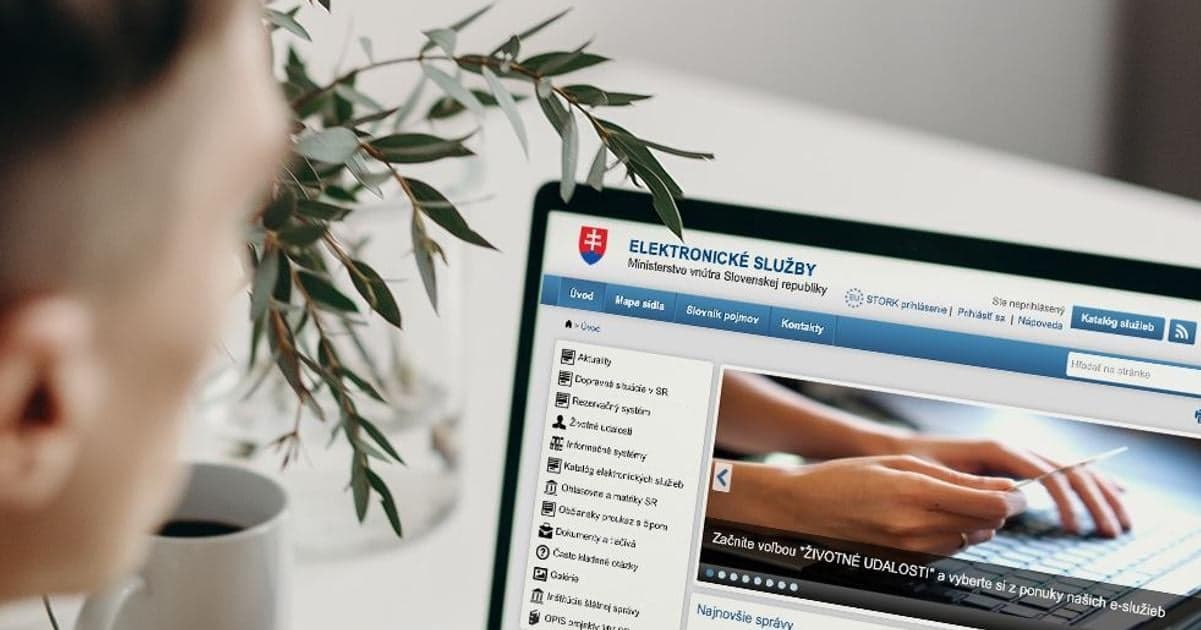
From July 15, 2026 new rules started for switching from dočasné útočisko (temporary protection for Ukrainians) to regular residence permits to continue working. Details are collected on the portal Welcome to Slovakia.
For long-term residence permits it is now mandatory to confirm knowledge of Slovak language at level A2 — by passing a special test.
What this means for you
If you work here under temporary protection and plan to stay, preparing to switch to a regular residence permit should be done in advance: processing times have shortened, but document and language requirements have increased. If you work in an unskilled position, consider that the influx of workers from Asia may affect hiring conditions because employers will have a larger choice of candidates. The strongest position in this market is for those who improve their qualifications and learn Slovak: the shortage of staff in medicine, transport, and construction will not go away in the coming years.