



A bank account in Slovakia is a real necessity for those planning to live in the country for a long time. It makes it easier to receive salary, social benefits, scholarships, pay for housing rent, and handle daily transactions. Without an account, many everyday operations become complicated and less secure. Ukrainians, like other foreigners with legal status, have the full right to open accounts on equal terms with Slovak citizens. In this material, we will look in detail at the key aspects of the banking system and banks in Slovakia, the procedure for opening an account, and the necessary documents.
Do you need advice or help opening a bank account in Slovakia?
Leave your request and we can give you free advice and help with this matter!
Slovak Banking System: What You Need to Know
Slovakia has a stable and modern banking system, integrated into the European financial space. Several large banks operate in the country, which are part of international groups, ensuring a high level of reliability and access to global services: Slovenská sporiteľňa (part of Erste Group), VÚB Banka (Intesa Sanpaolo), and Tatra banka (Raiffeisen Group). In addition, ČSOB, 365.bank, mBank, Prima banka, Poštová banka, and other institutions are active.
All deposits in these banks are protected by the state Deposit Protection Fund (Fond ochrany vkladov) up to €100,000 per client. This rule applies to everyone, including foreigners, and is part of the European standard. Thus, your funds remain safe even in case of problems with the bank.
Banks in Slovakia are actively implementing digital technologies. Internet and mobile banking allow most operations to be carried out online: from transfers to account management. This is especially convenient for foreigners who can avoid frequent visits to branches. However, for non-EU residents, some online procedures may require additional verification.
Features of Bank Details in Slovakia
In Slovakia, bank details play a key role in ensuring the accuracy and efficiency of financial transactions.
In addition to IBAN and Variabilný symbol, which are essential for transactions, there are other important details used in the country's banking system.
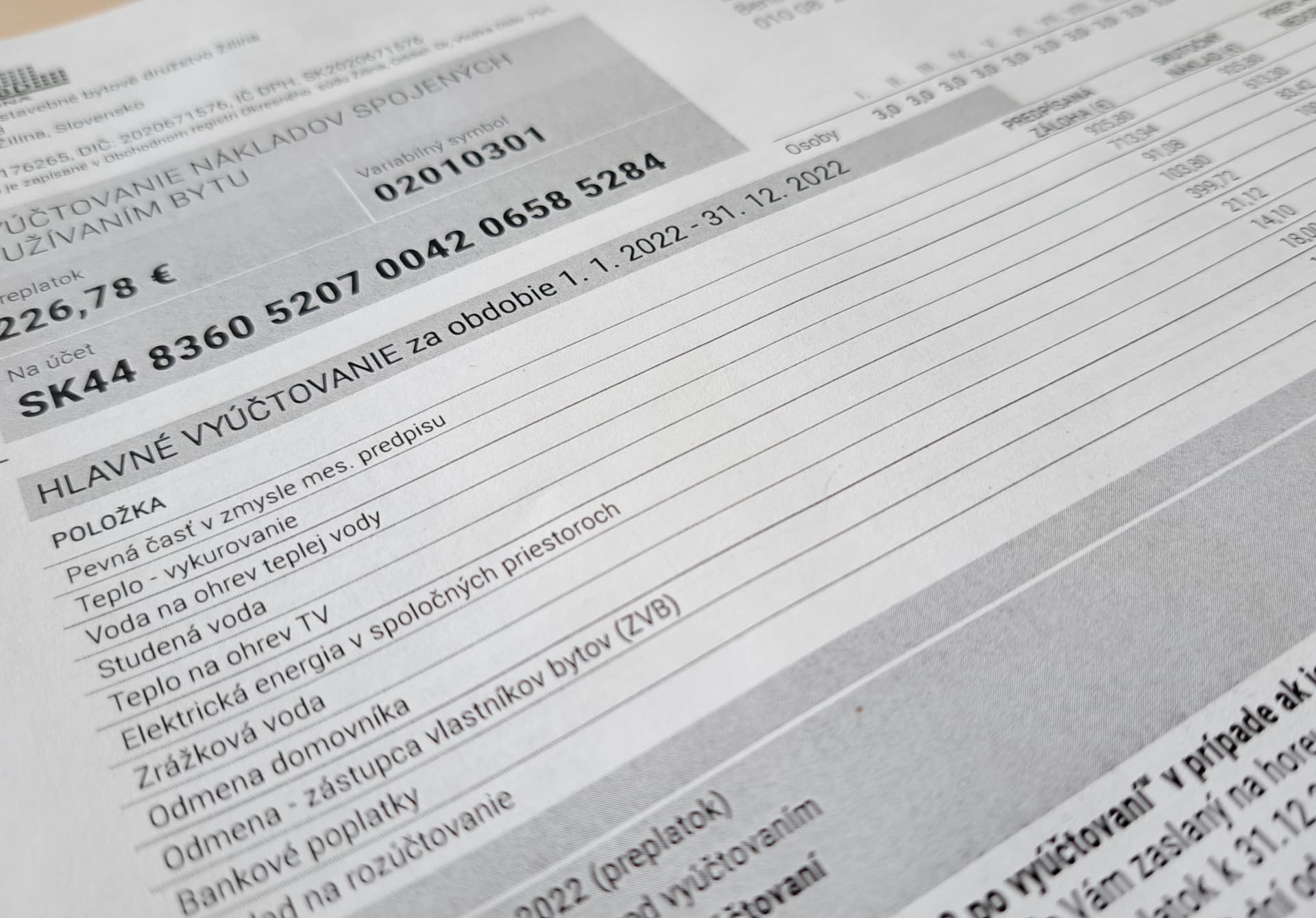
IBAN is the international bank account number used for SEPA transfers within the European Economic Area. In Slovakia, IBAN consists of 24 characters. It is important to check the correctness of the IBAN before sending a payment, as an error in one character can lead to a delay or loss of funds.
Variabilný symbol is a unique numerical payment identifier used for automatic transaction processing in Slovakia. It consists of up to 10 digits and is specified when paying bills, utilities, scholarships, or other regular payments.
Variabilný symbol allows the recipient to quickly identify the payment and link it to a specific service or client. For example, when paying for a dormitory, the university may specify a unique VS for each student.
Konštantný symbol is an additional identifier used to classify the type of payment. It consists of 4–8 digits and is often used for payments to government institutions, for example, for paying taxes, fines, or social contributions. KS helps banks and recipients (especially government bodies) identify the purpose of the payment.
For example, a specific KS defined by the tax office is used to pay personal income tax.
Špecifický symbol is an additional payment identifier used to clarify transaction details if required by the recipient.
It also consists of up to 10 digits and is usually used for internal identification within organizations. SS can be used, for example, to denote a specific contract or client in the recipient's system. This symbol is optional and used less frequently than VS or KS.
Do you need advice or help opening a bank account in Slovakia?
Leave your request and we can give you free advice and help with this matter!
Main Banks in Slovakia: Advantages and Features
Choosing a bank is the first and important step, which depends on your needs. The Slovak banking system offers a wide selection of financial institutions suitable for both local residents and foreigners, including Ukrainians with temporary protection.
Major banks such as Tatra banka, Slovenská sporiteľňa (SLSP), VÚB Banka, as well as digital banks 365.bank and mBank, offer a variety of services convenient for different categories of clients.
In addition, ČSOB, Poštová banka, and Prima banka operate in Slovakia, also providing competitive banking products. Each bank has its own features, advantages, and requirements that are worth considering when choosing.
Below is a detailed overview of the main banks, their conditions, documents for opening an account, and other important aspects.
Tatra banka
It is one of the leading banks in Slovakia, known for its innovative platform and modern digital services. For students under 26, the bank offers a free student account, which is a significant advantage for young people.
Opening an account through the mobile app comes with a €40 bonus, making this bank attractive to new customers. Free service is available if you use three bank products, such as savings, loans, or insurance.
Tatra banka is also known for its convenient mobile and internet banking, which includes expense analytics, a one-time card number for secure online payments, and cash withdrawals via smartphone. For Ukrainians with temporary protection, service is free for the first 12 months, but after that, the standard fee is €5–7 per month.
Slovenská sporiteľňa (SLSP)
It is the largest bank in Slovakia by the number of clients and branch network, with over 200 branches and 800 ATMs. Such an extensive network provides easy access to banking services throughout the country, which is especially convenient for foreigners.
For Ukrainians with temporary protection, service is free for the first 12 months, but after that, standard tariffs may apply (€6–8 per month depending on the package) if the conditions for free service are not met. SLSP offers the convenient George mobile app and the option to apply online, simplifying the process.
VÚB Banka
It offers competitive conditions that are particularly suitable for working people and students. The bank is known for its low transfer fees and simple usage terms, making it popular among foreigners.
For Ukrainians with temporary protection, VÚB Banka offers free service for the first year, after which the fee is €6–9 per month depending on the package. The bank offers convenient Nonstop Banking internet banking and favorable packages for students and employees, but compared to Tatra banka, it has fewer promotions and bonuses.
Digital Banks (365.bank, mBank)
are becoming increasingly popular due to their convenience and low costs. They are ideal for clients who prefer online service and rarely visit physical branches. 365.bank and mBank allow you to partially open an account remotely, which saves time.
For Ukrainians with temporary protection, these banks offer free service for the first year, and after that, the fee is €0-5 depending on the conditions. These banks allow you to open an account partially online, but citizens of non-EU countries often need to visit in person for verification. These banks are ideal for those who rarely visit branches.
What Documents Are Needed to Open an Account
Documents for opening an account depend on your status.
For EU citizens, a passport or ID card is sufficient, as well as a document confirming a connection to Slovakia, such as an employment contract, rental agreement, or proof of study. For citizens of non-EU countries, including Ukrainians, the requirements are somewhat broader.
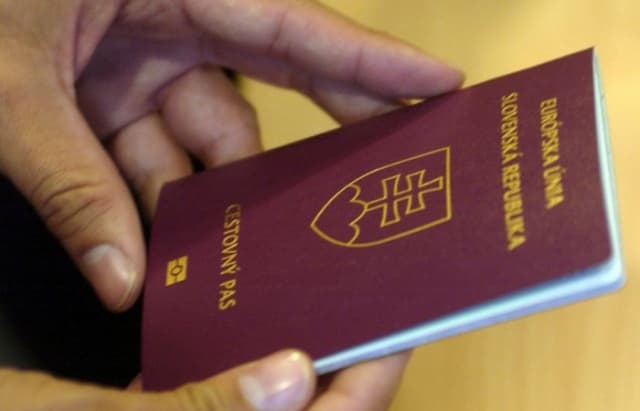
A foreign passport is required, as well as a residence permit (e.g., temporary protection status, permanent residence permit, or other document confirming the grounds for stay).
For students, proof of enrollment from the university is required. Sometimes banks ask for proof of address, such as a rental agreement. Important: if your documents are not in Slovak, the bank may require an official translation.
For digital banks like 365.bank and mBank, the account opening process is partially possible online, but non-residents often face the need for personal verification at a branch. In such cases, you must have the same set of documents: passport and proof of stay, and sometimes proof of address.
For example, a bank may allow you to apply online, but to complete the process, you may need to visit a branch to verify your identity. It is recommended to contact the chosen bank in advance (via website, app, or hotline) to clarify the exact list of documents, as requirements may vary depending on the account type.
Thus, the minimum set of documents includes a passport and proof of stay, and in some cases, proof of address. For Ukrainians with temporary protection, the process is simplified, but personal presence at the branch is often mandatory. Clarifying details with a specific bank will help avoid delays and ensure a quick account opening.
Do you need advice or help opening a bank account in Slovakia?
Leave your request and we can give you free advice and help with this matter!
How to Open a Bank Account
The procedure for opening an account is standard and usually does not take much time. First, choose a bank and prepare the necessary documents. Make an appointment through the bank's website or app, or simply visit the nearest branch. At the branch, you will fill out a client questionnaire, provide documents, which will be scanned, and sign the contract.
If you have not yet downloaded the bank's mobile app, branch employees will assist you with registration. They will explain how to download the app, install it, and go through the registration process so you can fully use online banking.
After that, you will receive a debit card – sometimes immediately, and sometimes within a few days by mail, or you will need to visit the branch in person to pick up the card.
Using Your Account
After opening an account, you can use it fully. Internet and mobile banking are available in most institutions, allowing you to make payments, transfers, and monitor your balance from anywhere. Withdrawing cash from ATMs in your own network is free, while in others it costs 1–5 euros per transaction. Transfers within SEPA (Single Euro Payments Area) are usually free or have a small fee.
Closing a Bank Account in Slovakia
Closing a bank account in Slovakia is usually a simple and free process, but it requires meeting certain conditions and providing necessary documents.
Main Requirements for Closing an Account
No Debts: The account must be "clean," meaning without debts for fees, loans, or other obligations. If the account was linked to automatic payments (e.g., a loan or deposit), these links must be broken.
Zero Balance: All funds must be withdrawn or transferred before closing. Most banks require a zero balance, but sometimes they may ask you to leave a few euros to cover possible final fees.
No Restrictions: The account must not be under arrest or other restrictions (e.g., due to a court decision or government authorities).
Required Documents and Actions
Passport or ID: The main identification document.
Proof of Residence: In most cases, a passport is sufficient to close an account, but the bank may ask for a temporary protection certificate or another document proving legal residence.
Account Closure Application: Submitted at the branch, as foreigners usually need to visit in person.
Card Return: The bank may ask you to return your card or confirm its deactivation.
Specifics for Ukrainians
There are no legal restrictions for Ukrainians to open accounts – this is guaranteed by European legislation. Banks may have different requirements, but Tatra banka and Slovenská sporiteľňa offer simplified procedures for individuals with temporary protection status, including quick verification.
To send money from Ukraine abroad through banks like Monobank or others, the sender must first choose the currency – hryvnia (UAH), dollars (USD), or euros (EUR). The conversion is done at the bank's exchange rate, so clarify the recipient's currency to avoid losses.
But don't forget about limits: Maximum 30,000 UAH per transaction (not less than 1 USD/EUR/UAH). Limits: 5 transfers per week, 10 per month (according to NBU requirements). For large sums, proof of the source of funds may be required. Transfers are usually made through the mobile app or a bank branch.
Important: Be careful with scammers who may offer "help" with money transfers or opening a bank account in your name for transactions, for example, on cryptocurrency exchanges. Such offers are often part of fraudulent schemes that can lead to serious legal and financial problems. Read more about this in the article about scam schemes in Slovakia.
Opening a bank account in Slovakia for a Ukrainian is a simple and accessible process that usually requires only a passport and proof of legal residence. A bank account not only simplifies daily life but also ensures the security of funds through state protection and opens doors to broader opportunities in work, study, and integration into Slovak society.
Do you need advice or help opening a bank account in Slovakia?
Leave your request and we can give you free advice and help with this matter!