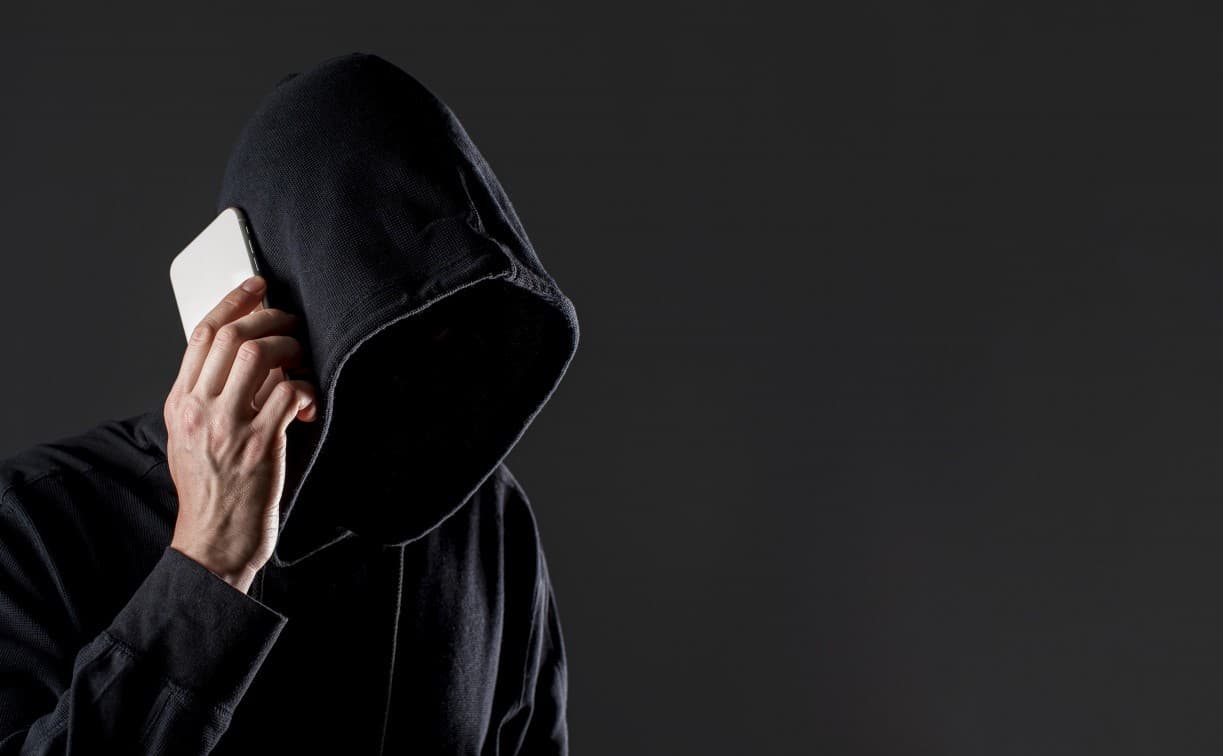

In the first five months of 2026, five people in Slovakia were charged with money laundering. Without knowing it, they became part of a criminal scheme by agreeing to an offer for quick earnings. The police warn about the spread of fraud where criminals use other people's bank accounts to legalize money obtained illegally.
This scheme, known as "money mule," involves ordinary people in serious crimes, often due to their lack of awareness or difficult financial situation. For participating in such activities, even through carelessness, one can receive a real prison sentence.
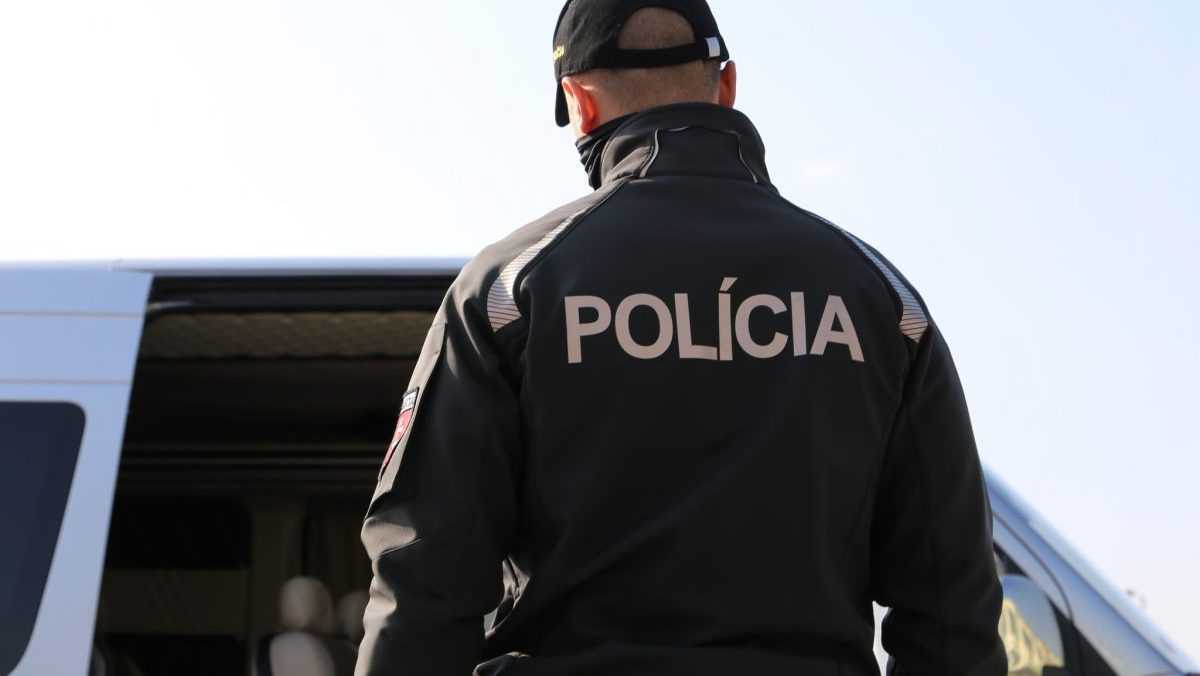
What happened: Police warn of a new wave of fraud
The National Center for Combating Specific Types of Crime (Národná centrála osobitných druhov kriminality) reported an increase in activity by fraudsters looking for people to launder money. According to Roman Hájek, spokesperson for the Presidium of the Police Force, in just five months this year, five individuals were charged whose accounts were used for about 2.2 million euros of criminal funds.
The scheme works like this:
Fraudsters find potential victims through social media, fake job ads, or phone calls.
They offer quick and easy earnings for a simple "service": opening a new bank account in their name or giving access to an existing one.
In return, they promise financial reward – a one-time payment or a percentage of transactions.
People who agree become "financial mules." They not only lose control of their own account but also become accomplices in a criminal offense, helping criminals hide the origin of money obtained from cybercrime, drug trafficking, or other illegal activities.
Who is a "financial mule" and what are the risks
A "financial mule" is a person who knowingly or unknowingly transfers illegally obtained money between different accounts, often in different countries. This helps criminals cover their tracks and makes the work of law enforcement agencies more difficult.
Many people believe that if they didn't know about the criminal origin of the funds, they are not at risk. However, Slovak law views this differently.
Responsibility through carelessness: Even if you didn't know you were participating in money laundering, but should have suspected it, you can be held responsible. For the legalization of proceeds from criminal activity due to carelessness, there is a penalty of imprisonment for up to two years.
Intentional participation: If the investigation proves that you acted intentionally, the punishment will be much stricter. According to the Criminal Code of Slovakia (§ 233 Trestný zákon), for such a crime, imprisonment is prescribed for a term of two to twenty years, depending on the circumstances (e.g., participation in an organized group or laundering of particularly large sums).
In addition to criminal liability, a person risks ruining their credit history, having all their bank accounts blocked, and ending up on the "blacklists" of financial institutions.
How to recognize the trap: main signs
Fraudsters often pose as employers, investment advisors, or even charities. To avoid becoming their victim, pay attention to these warning signs:
"Easy money" offers. Promises of high income for minimal effort, especially if the job only involves receiving and transferring funds.
Demand to use a personal account. Legitimate companies never ask employees to use their personal accounts for corporate financial transactions.
Unclear job description. Job advertisements without specific requirements for experience and education, where the main task is "financial management" or "payment processing."
Working for a "foreign company". Fraudsters often present themselves as foreign firms that supposedly need a local agent to avoid high fees for international transfers.
Request for personal data. Demand to provide login details for internet banking, passport or ID card (občiansky preukaz) details, or payment card information.
What to do if you receive such an offer
The police and cybersecurity experts advise following simple rules to protect yourself and your finances:
Never provide personal data. Do not share your document details, bank card information, or internet banking access with unknown persons, either by phone or on social media.
Do not open accounts at the request of third parties. Your bank account is your responsibility. Do not let anyone use it.
Be skeptical. If an offer sounds too good to be true, it is most likely a scam.
Notify your bank immediately. If you suspect your account may have been used for fraudulent transactions, or you have already provided your data, block the account immediately by contacting your bank.
Contact the police. It is advisable to report any suspicious offer or incident to the police. You can do this in person at the nearest station or by calling the emergency number 158. Your report can help not only you but also prevent future crimes.