

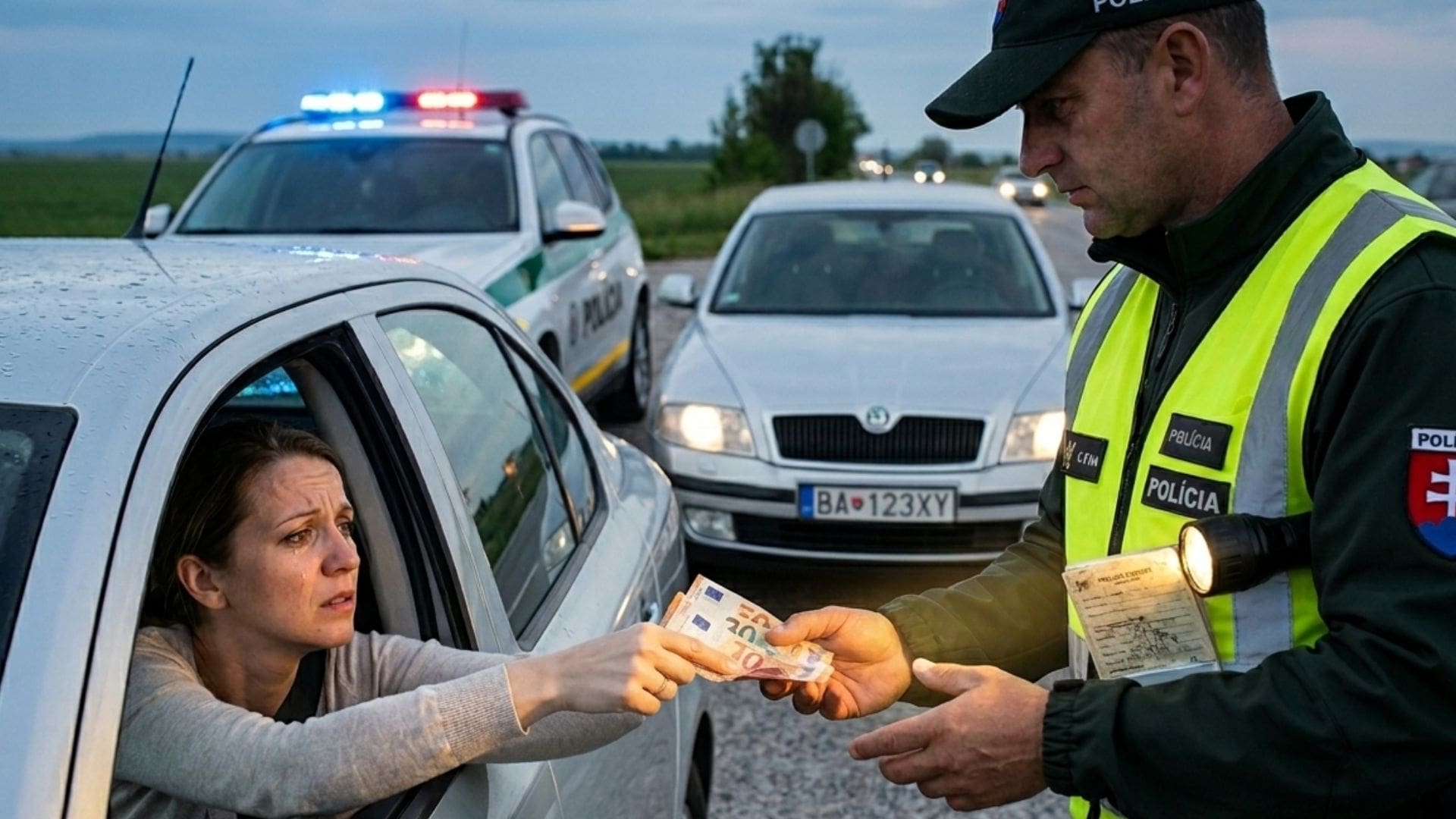
“The car owner registered in the technical passport (vehicle registration document) is obliged to pay the fine” — this is how lawyer Filip Šilák comments on the new rules, which apply to everyone who has a car registered in Slovakia. From September 1, the police expand the so-called objektívna zodpovednosť (objective responsibility — when the car owner is responsible for the violation, not the person who committed it).
The changes are reported by STVR citing the Ministry of the Interior.
What will change for the car owner
Until now, objective responsibility applied to three violations: running a red light, not stopping at a STOP sign, and speeding. If a camera recorded the car but the owner was not driving, he could tell the police the real driver — and the fine would be sent to that person.
From September, this loophole will be closed. The owner must pay the fine himself and only then can demand compensation from the driver to whom he lent the car through the court. Four new violations have been added to the list:
not using a seatbelt in the front seat;
holding a phone while driving;
not maintaining a safe distance;
driving in the opposite direction.
“Drivers are motivated long-term not by the size of the fine but by the certainty that someone will catch them,” explains traffic psychologist Karol Kleinmann. This is what the reform aims for: the fine notice will come to the owner even when there was no patrol nearby at all.
How much will you have to pay
Fines are fixed in specific amounts:
phone use while driving, recorded by camera — 249 €;
driving into the opposite lane — 249 €;
not wearing a seatbelt in the front seat — 78 €.
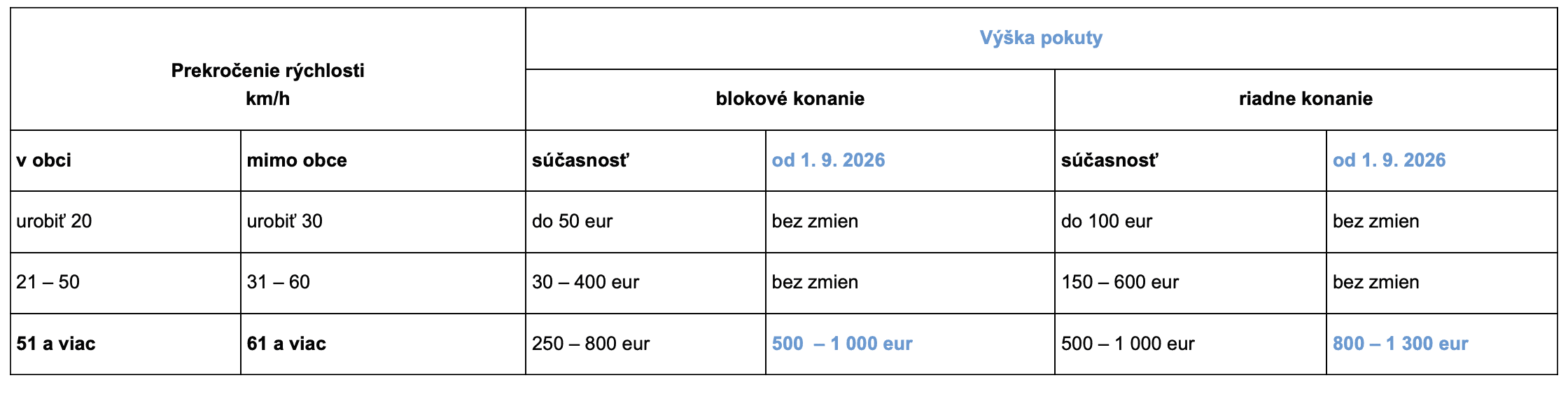
For comparison: under the new version of the law, significant speeding in administrative proceedings threatens a fine of up to 1300 €.
Who and how will monitor
New stationary radars and cameras will record the new violations. Moreover, not only police officers will be able to observe: cities and municipalities will have the right to install their own cameras to control speed, running red lights, and STOP signs. As AutoViny writes, this is part of a major amendment to the Road Traffic Act aimed at the European Vision Zero strategy — to reduce the number of deaths and serious injuries in traffic accidents to zero by 2050.
The amendment also generally concerns other things: new rules for electric scooters and enhanced pedestrian protection, details ANEPS.
What to do if you lend your car
Lawyer Filip Šilák advises not to hand over the keys “friendly” without any trace. The minimum protection is a written agreement about the loan: who, to whom, which car, and for how long. Even messaging with dates is enough.
The conclusion is one. If the car is registered to you, any fine from the camera is your problem. Before giving the car to friends, think if you are ready to pay 249 euros for someone else holding a phone. And about traffic and transport rules in Slovakia, we wrote in our transport guide.