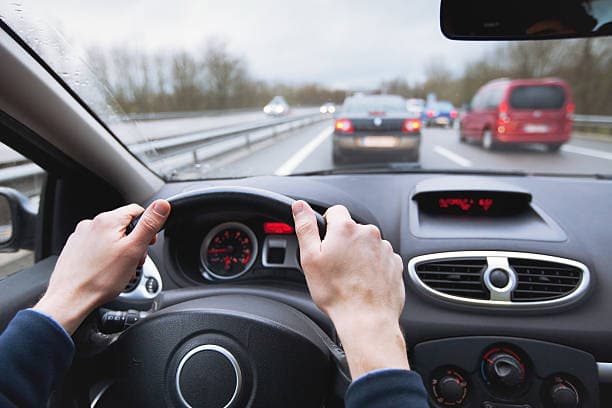

Driving a car in Slovakia for our migrants is not difficult, but it requires a clear understanding of local traffic rules and the parking system. Slovak transport law is strictly regulated, and police control is systematic. Following the rules described below will help you avoid fines at a minimum, and unpleasant situations at best.

 Parking zones are marked with a blue sign with a white letter [P]. As in all other European countries, Slovakia has free and paid parking spaces.
As a rule, most paid parking lots should have a sign like this:
Parking zones are marked with a blue sign with a white letter [P]. As in all other European countries, Slovakia has free and paid parking spaces.
As a rule, most paid parking lots should have a sign like this:
 The sign contains all general information regarding parking conditions. Parking time is strictly limited, and exceeding the paid time is automatically recorded.
Improper parking can lead to a fine, wheel clamping, and even towing the car to an impound lot. A full list of places where parking is prohibited can be found here. Fines are usually paid online or at municipal service offices.
The sign contains all general information regarding parking conditions. Parking time is strictly limited, and exceeding the paid time is automatically recorded.
Improper parking can lead to a fine, wheel clamping, and even towing the car to an impound lot. A full list of places where parking is prohibited can be found here. Fines are usually paid online or at municipal service offices.

General Safety Conditions in Slovakia
Slovakia is an EU member, so traffic rules generally comply with European standards. Traffic is right-sided, seat belts are mandatory for all passengers, and low beam headlights must be on around the clock, regardless of the season.Who is Allowed to Drive a Car
A person is allowed to drive a vehicle if they:- have reached the required age for the relevant category (for mopeds and motorcycles, you can drive from 15 years old, but for passenger cars - 17 years old);
- have a valid driver's license;
- are not under the influence of alcohol or drugs;
- have all mandatory documents with them.
How to Get a Driver's License in Slovakia
To enroll in a driving school, you need a medical certificate and legal residence or study in the country. The training includes theory (traffic rules) and practical lessons with an instructor and usually lasts 3–5 months, depending on the schedule. The cost of a driving school course in Slovakia for category B is on average 700–1200 euros, depending on the city and school. A medical examination and state fees for the exam and license issuance are paid separately. There are driving schools that are both local and focused on foreigners, where training can be conducted in English. If you live in Bratislava, we recommend two quite popular driving schools that offer training for all permitted categories - Autino and ZemanRecognition of Ukrainian Driver's Licenses
Ukrainian citizens have the right to use their Ukrainian driver's license in Slovakia. For individuals with temporary protection or temporary residence, exchanging the license is not mandatory. We wrote more about this in this article.Mandatory Documents for Drivers
When driving a car, a driver must have:- a driver's license;
- a foreign passport (only if you have temporary protection);
- the vehicle's registration certificate (technical passport);
- a valid insurance policy (PZP);
- an identification document.
Speed Limits and Control
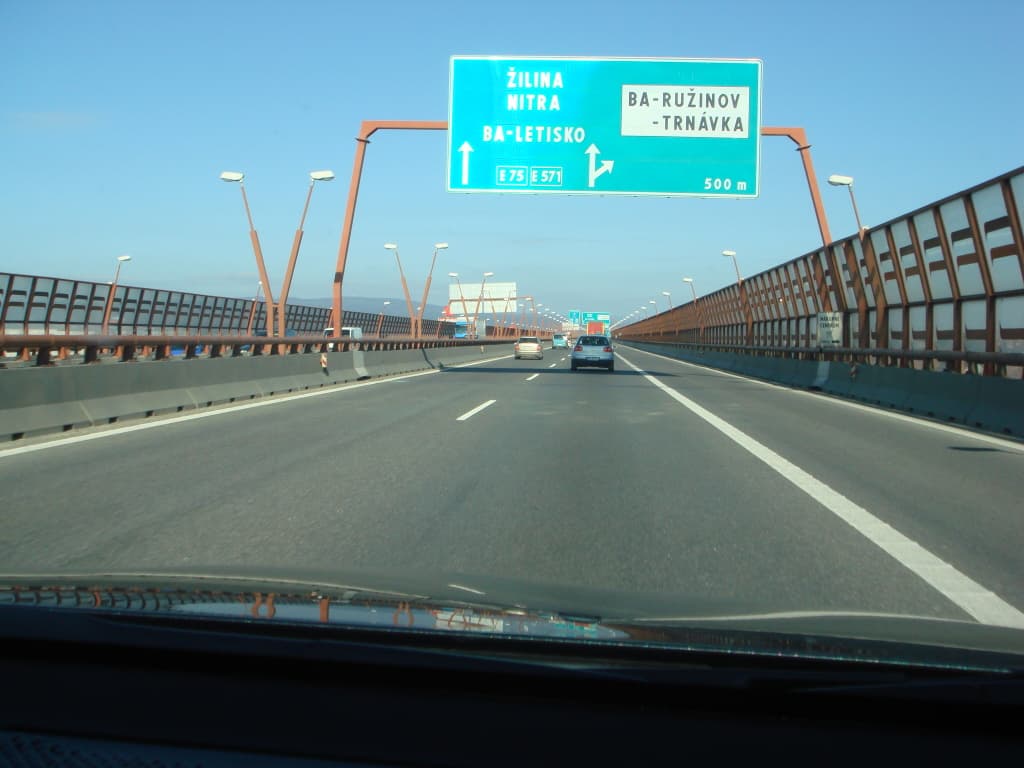
Standard speed limits are:- in populated areas — up to 50 km/h;
- outside populated areas — up to 90 km/h;
- on highways — up to 130 km/h.
Alcohol and Responsibility for Violations
Slovakia has a zero-tolerance policy for alcohol. The permissible level is 0.0 per mille. Even a minimal excess can lead to a fine or criminal liability.Parking in Slovak Cities
Parking is one of the most problematic aspects for new migrants. In large cities, there is a zone parking system, especially in the center. Free parking spaces are rare and mostly found on the outskirts.
Parking zones are marked with a blue sign with a white letter [P]. As in all other European countries, Slovakia has free and paid parking spaces.
As a rule, most paid parking lots should have a sign like this:
The sign contains all general information regarding parking conditions. Parking time is strictly limited, and exceeding the paid time is automatically recorded.
Improper parking can lead to a fine, wheel clamping, and even towing the car to an impound lot. A full list of places where parking is prohibited can be found here. Fines are usually paid online or at municipal service offices.
How to Pay a Fine?
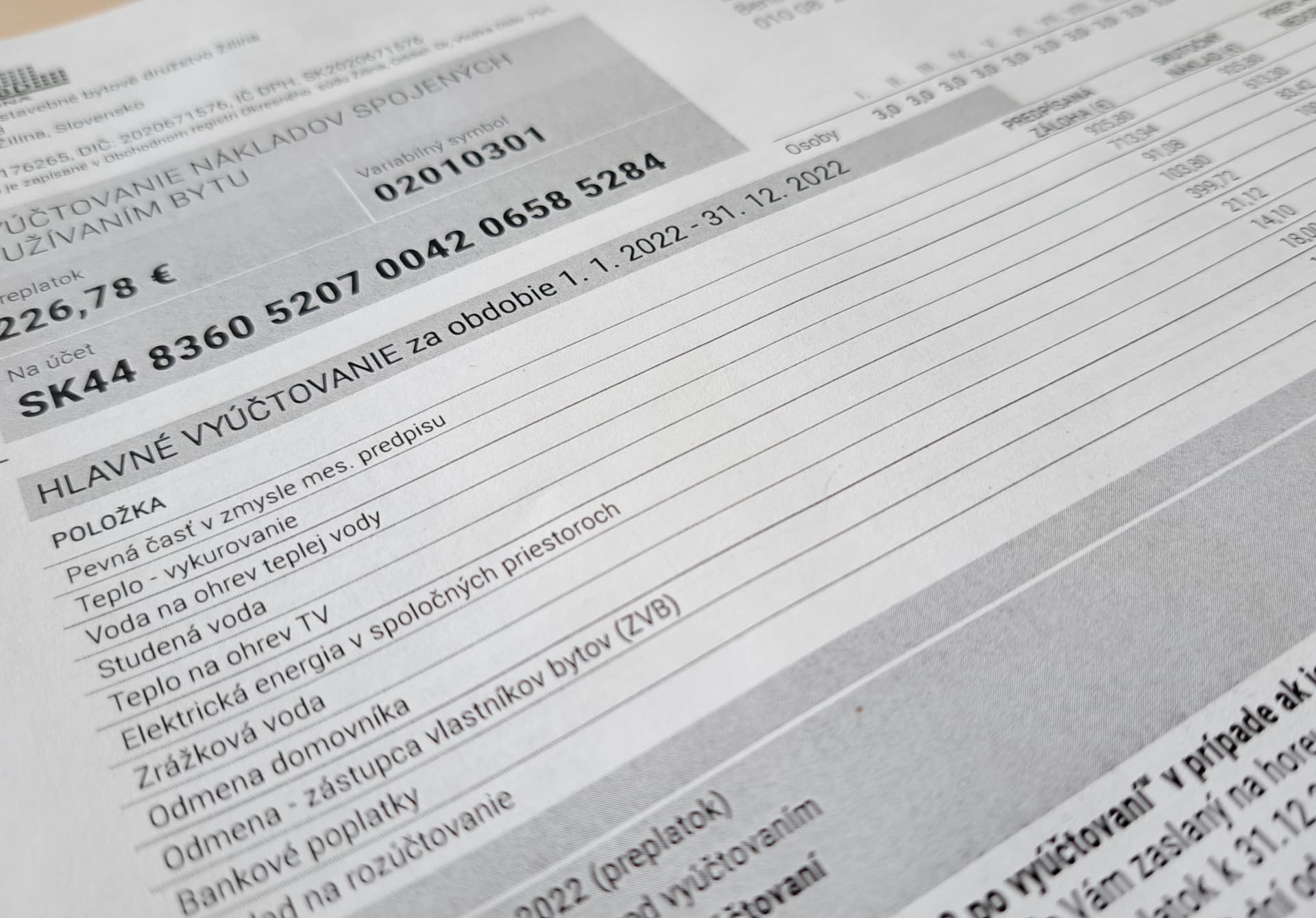
Fines for traffic violations can be paid in several official ways. If the police issue a fine on the spot, it can often be paid immediately – in cash or by bank card (depending on the crew). In this case, the amount is usually lower than if paid later. If the fine is issued without on-the-spot payment, the driver receives a report or notification with payment details. Fines sent by mail or recorded by automatic systems (e.g., for illegal parking) are paid by bank transfer or online payment using the specified variable symbol (variabilný symbol). It is important to adhere to payment deadlines: if payment is overdue, the fine amount may increase, and the case may be transferred to forced collection. The same rules apply to foreigners, so it is recommended to keep proof of payment until the case is fully closed.Practical Advice for Ukrainian Drivers
Driving and parking in Slovakia are not difficult if you follow the rules and pay attention to local requirements. If you plan a safe trip, it is best to follow the general rules:- Always check road signs before parking.
- Use official apps for parking payments.
- Avoid even minimal alcohol consumption before driving.
- Keep all documents in an easily accessible place.