
Main Holiday Periods and Customs in Slovakia
Advent
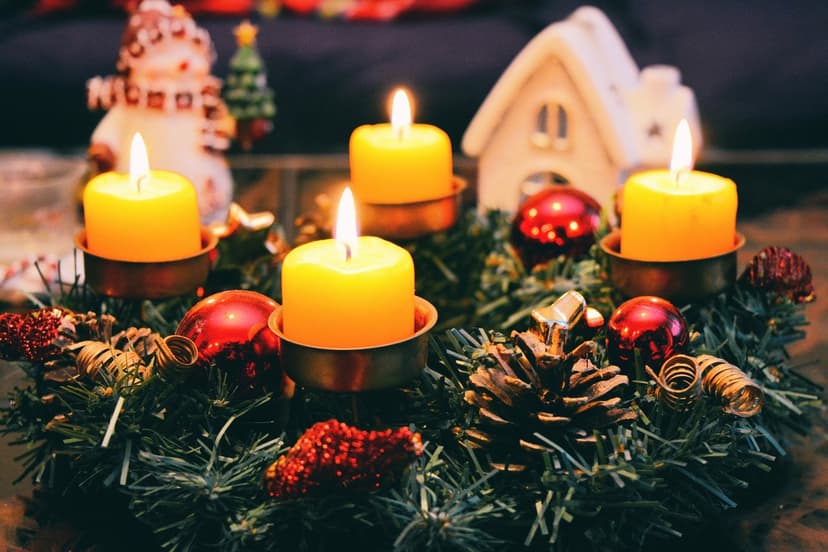
This is a period that carries the message of waiting for the arrival of Jesus. People attend church, prepare gifts, and decorate their homes. An important item is the Advent wreath (often made of fir branches), decorated with four candles – for the number of Advent Sundays. It is a symbol of hope. Children love the Advent calendar, which brings joy every day starting December 1st, when they open the first window with a treat.
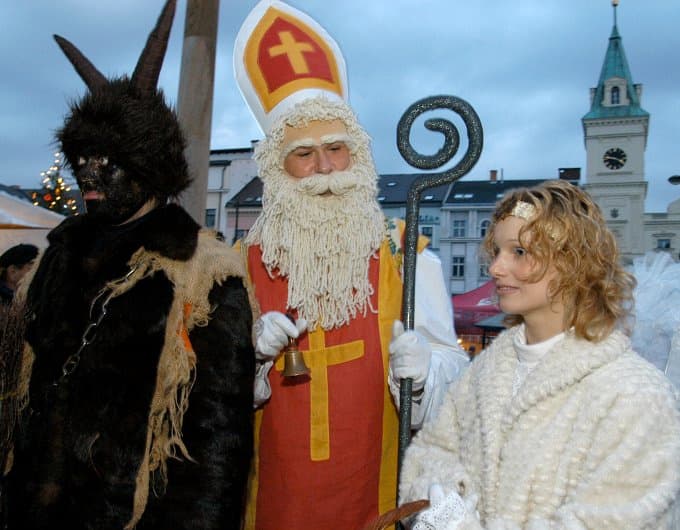
Mikuláš (Saint Nicholas)
The holiday of Saint Nicholas (December 6th) is especially loved by children, who wait for sweets in their polished boots. The boots should be prepared the evening before the holiday and placed on the window. Slovak Mikuláš is known as a white-bearded old man in a red coat, who usually walks with an Angel and a Devil, who help him give out gifts.
Stridžie dni (Stripping Days)
December 13th is the feast of Lucia, which belongs to a series of so-called "stripping days" that lasted from Catherine (November 25th) to Thomas (December 21st). People believed that witches could be seen on this day. Among the most famous love divinations: girls prepared thirteen sheets of paper, wrote men's names on twelve of them, and left the thirteenth blank. They burned one sheet each day, and unfolded the last one on Christmas Eve: the name on it was supposed to be the name of the future husband (or if the sheet was blank, there would be no wedding the following year).
Štedrý deň (Generous Day / Christmas Eve)
On December 24th, Štedrý deň, the Christmas celebration begins. The biggest holiday is the 1st day of Christmas (December 25th) – the day of Christ's birth.
-
Fasting and the "Golden Star": On Štedrý deň, fasting is observed, which ends with the rising of the first star. Children were told: if they stayed without food until dinner, they would see the "golden star".
-
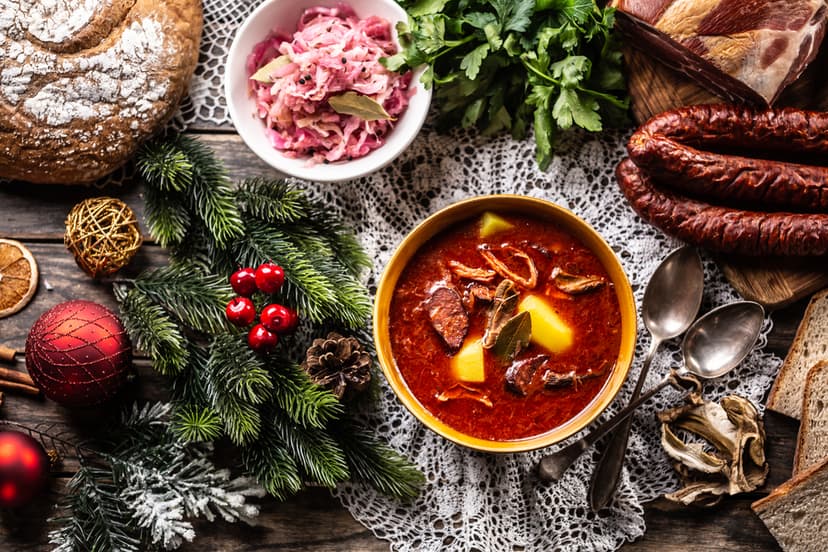
Dinner: Housewives prepare various dishes, and children decorate the Christmas tree. On the generously set table, there must be bread, garlic, honey, oblátky (wafers), kapustnica (cabbage soup), fish, potato salad, and fruit.
-
After dinner: Carols are sung, and gifts are unwrapped. Many people attend the midnight mass to celebrate the birth of Christ and sing "Silent Night, Holy Night". On December 25th and 26th, families spend time together or visit relatives and friends.
New Year's Eve and Sylvester
December 31st is Sylvester, the last day of the year. It is a day to celebrate the end of the calendar year.
-
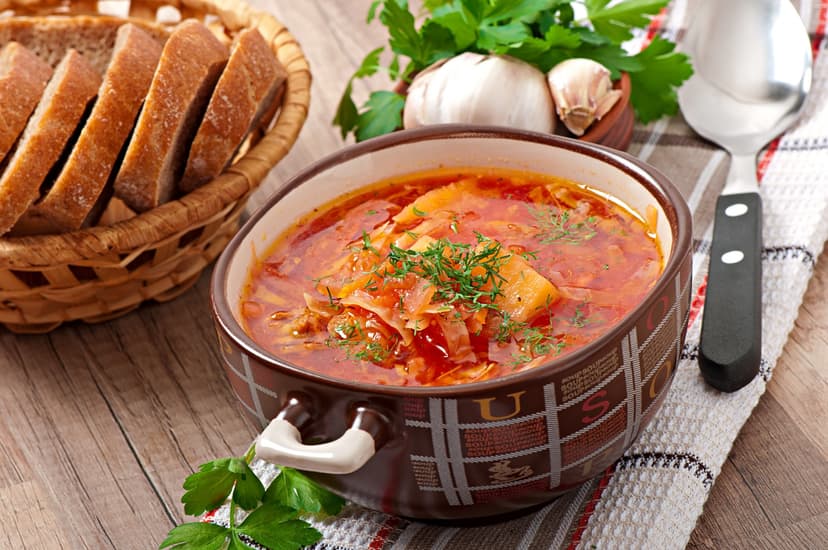
Feast: The table traditionally has Sylvester kapustnica (a thick cabbage soup with sausage), open-faced sandwiches (bread with butter, ham, cucumber), small canapés, and champagne.
-
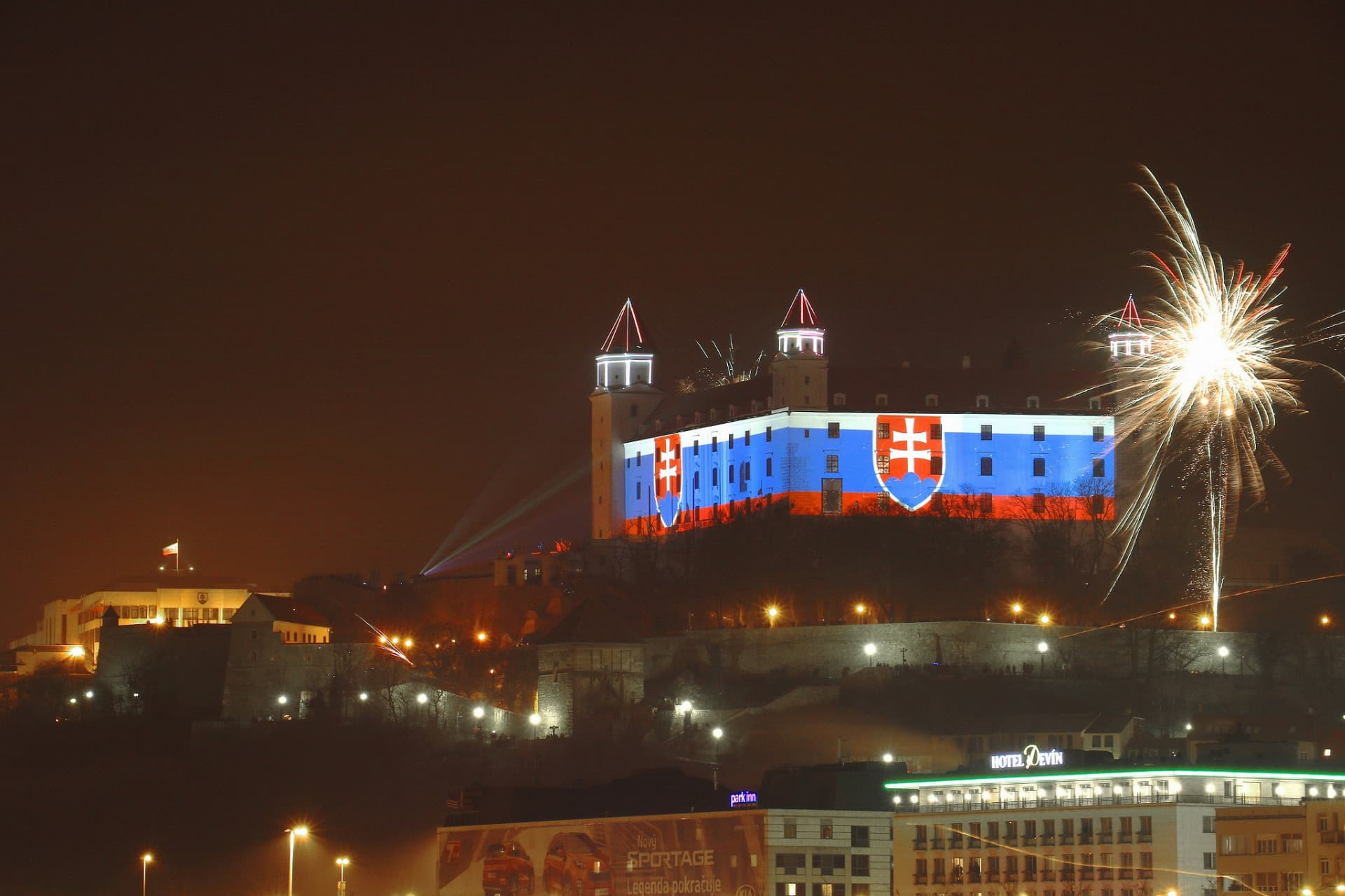
At midnight: Champagne is opened, and people greet each other with the words "Na zdravie!" (To your health!) and "Šťastný nový rok!" (Happy New Year!). Fireworks are set off almost all over Slovakia.
New Year's Customs (January 1st)
On New Year's Day, the "magic of the beginning" applies: "As on New Year's Day, so for the whole year." People try to be kind, avoid conflicts and debts, and maintain order in the house so that the year will be positive.
-
Don't let happiness fly away: On this day, poultry (chicken, duck, turkey) is not prepared, so that happiness does not "fly away" from the house.
-
Prosperity: Pork is often on the table (as a symbol of abundance and well-being).
-
Don't carry happiness out: It is not recommended to do laundry, hang laundry (to avoid bringing death) or take out the trash (to avoid taking out happiness and bringing illness).
Three Kings (Traja králi)
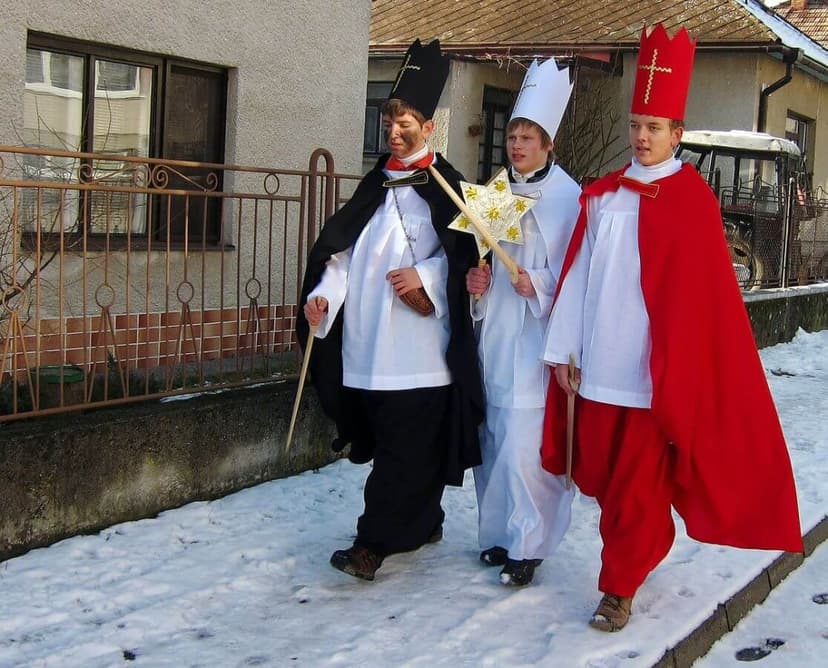
The Feast of the Three Kings is celebrated on January 6th.
-
Caroling: Carolers (mostly children), dressed as kings, go from house to house, singing carols, wishing health and prosperity. They receive rewards for this.
-
Blessing: A priest blesses water and houses, writing the initials of the kings and the current year on the doors, for example, "20 + C + M + B + 25". This symbolizes not only the names (Caspar, Melchior, Balthazar) but also the blessing "Christus mansionem benedicat" ("May Christ bless this house").
After the Three Kings, the Christmas period ends, and decorations are taken down.
Traditional Christmas Dishes
Christmas dinner (Štedrá večera) is the culmination of Štedrý deň, which follows strict fasting. The dishes vary depending on the region, but the main characteristic is abundance.
1. Must-haves on the table:
-
Oblátky (wafers) with honey and garlic: It is believed that if you eat them before dinner, you will be healthy and good, like honey, all year round.

-
A bowl of fresh and dried fruits, nuts.
-
Bread (a symbol of abundance).
2. Soups (Polievky):
-
Kapustnica: Definitely the most famous Christmas soup. In Western Slovakia, meat, cream, and dried plums are added to it. In Central Slovakia – sausage. In the East – tomato paste and rice.
-
Legume soups: Pea, bean, or Christmas lentil soup.
-
Creamy mushroom soup.

3. Main Course:
-
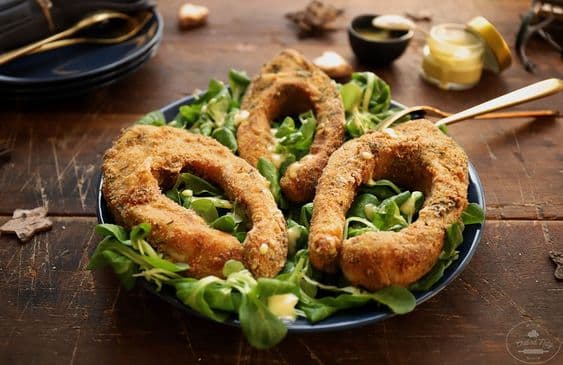
Fried Carp (Vysmážaný kapor): It became a symbol of the dinner in the 1950s. It is served sliced or as "horseshoes," breaded and fried in oil (or baked).
-
Alternatives: Due to the many bones in carp, it is sometimes replaced with salmon, fish fillet, pork chops (rezne), or turkey meat.
-
Garnish: Traditionally, it is potato mayonnaise salad or potato and onion salad.
4. Desserts:
-
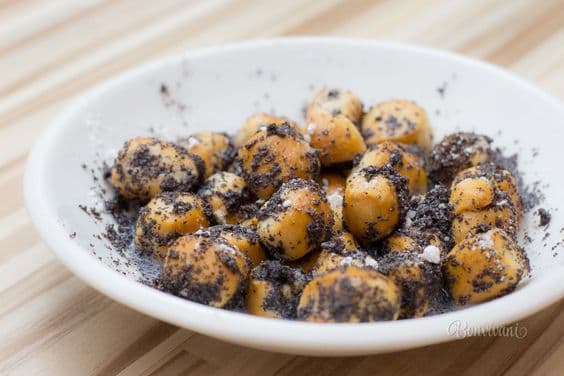
Opekance (bobalky/pupacky): One of the oldest dishes. These are small yeast dough buns, which after baking are served with butter, poppy seeds, nuts, or cheese.
-
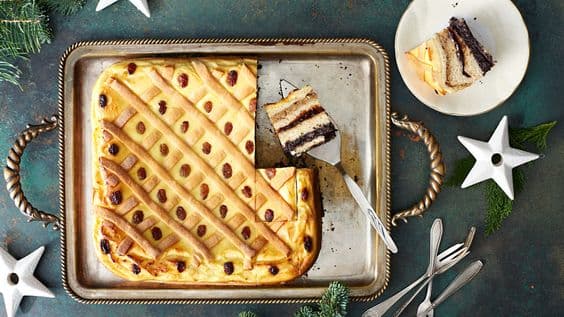
Štedrák (Vianočný Štedrák): A traditional and very hearty yeast dough cake with several layers of filling: plum jam, poppy seeds, nuts, and cheese.
-
Other sweets: Honey cakes, linzer cookies, nut cookies.
-
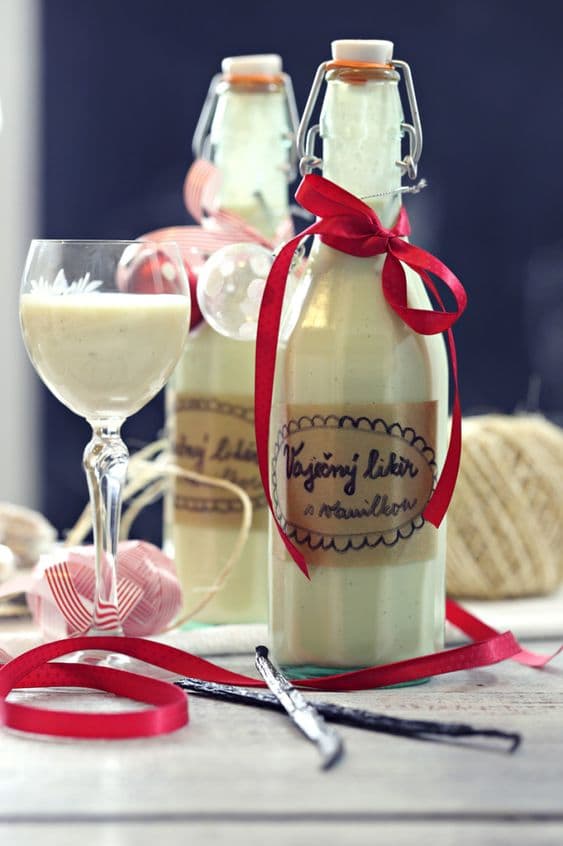
Egg Liqueur (Vaječný likér): A sweet alcoholic drink often served after a generous dinner.