

Fuel prices, which already seemed high, might just be the beginning. Due to a series of global crises, the price of Brent crude oil has again crossed the psychological mark of $100 per barrel, which will inevitably hit the wallets of Slovak drivers. But this is only one part of the problem. From 2027, another factor awaits everyone, which will surely increase prices — the new European Emissions Trading System ETS 2.
We will look at what is happening in the market, what drivers should prepare for, and how much a liter of gasoline and diesel might cost in the coming years.
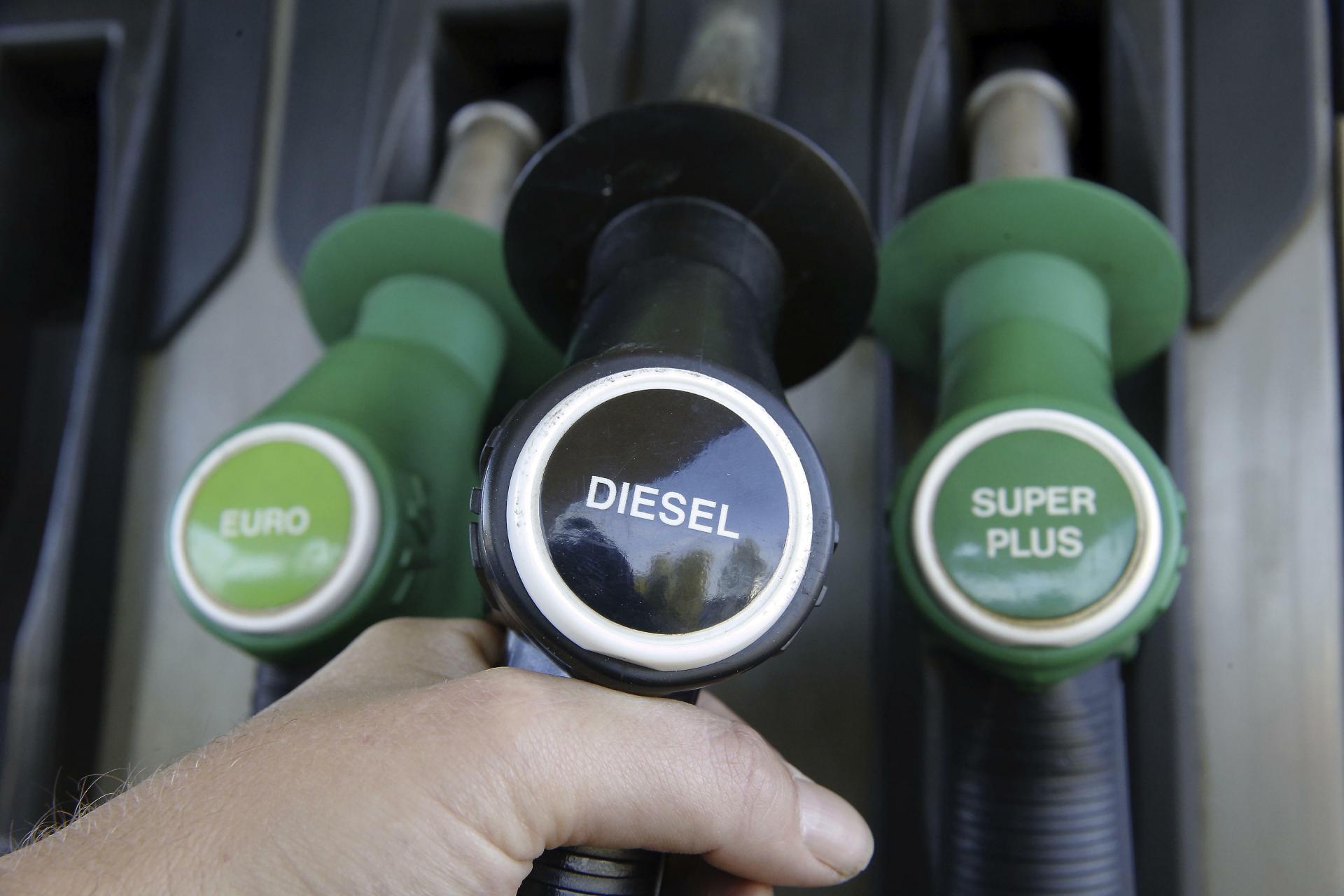
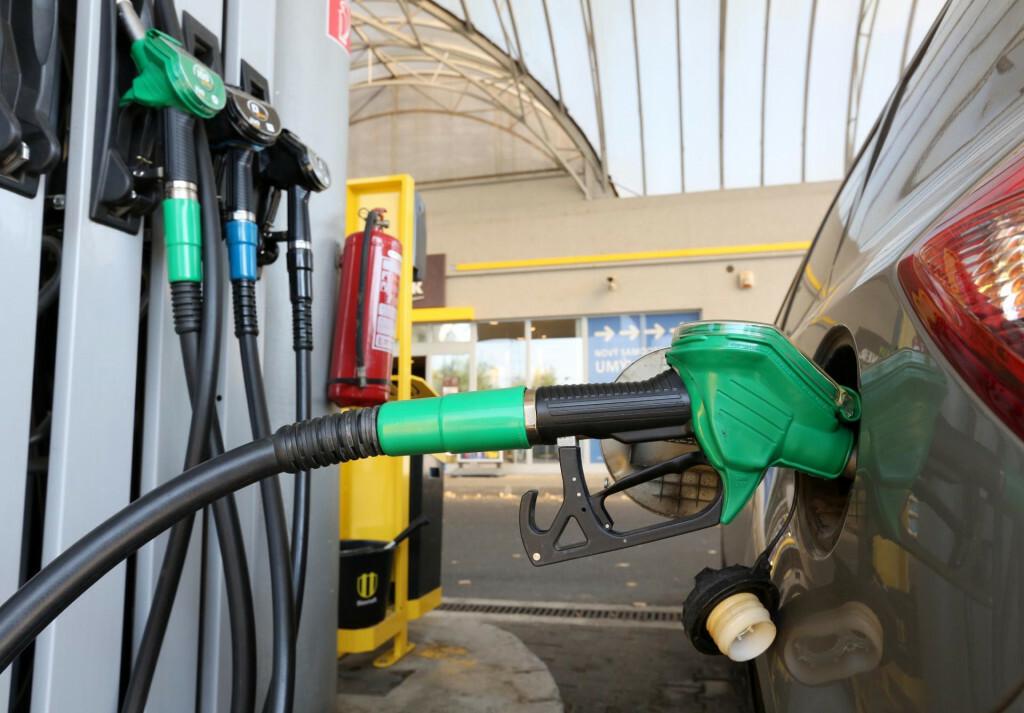
Global storm in the oil market
Not long ago, prices at gas stations in Slovakia were slowly decreasing, giving drivers hope for stabilization. However, the situation in global markets has changed sharply. According to analysts, the price of oil is being pushed up by several powerful factors at once.
First, it is the new escalation of tensions in the Middle East, particularly conflicts in the Strait of Hormuz and the Red Sea, through which key oil tanker routes pass. Any threat to these routes instantly increases the cost of insurance and transportation, which is included in the final price of the raw material.
Second, the hurricane season in the Gulf of Mexico, which is predicted to be particularly active this year, creates risks for US production platforms. Even a temporary halt in production due to bad weather reduces market supply.
The third factor is the unexpectedly high demand from Asian countries, especially China and India, whose economies are recovering faster than predicted. When demand increases and supply is limited, prices inevitably go up.
New blow to wallets: what is ETS 2?
Even if global oil prices stabilize, from January 1, 2027, fuel throughout the European Union, including Slovakia, will start to become more expensive due to the introduction of a new emissions trading system, known as ETS 2.
This is an expansion of an existing system that, since 2005, has forced large industrial enterprises and power plants to pay for CO₂ emissions. Now, this "polluter pays" principle will extend to transport and building heating.
How will it work?
The system works on the "cap-and-trade" principle:
A limit is set. The EU determines the total amount of CO₂ emissions allowed in the transport and heating sectors.
Allowances are issued. Special allowances (quotas) are issued for this amount, where one allowance equals one ton of CO₂.
Suppliers buy allowances. Fuel suppliers (refineries, importers) will be required to buy these allowances at auctions for each ton of CO₂ produced when burning the gasoline or diesel they sell.
Costs are passed on to the consumer. Companies will include their costs for buying allowances in the final price of fuel at gas stations.
In simple terms, a new "carbon surcharge" will be added to the cost of every liter of fuel.
What price increase to expect?
The exact amount of the surcharge from ETS 2 will depend on the market value of one allowance per ton of CO₂. According to preliminary forecasts, this could add from 10 to 40 euro cents to the price of a liter of fuel.
Gasoline: may increase in price by approximately 13-15 cents per liter.
Diesel: an increase of 15-17 cents per liter is expected.
If we consider the current prices, which as of July 2026 average around €1.67 per liter for 95-octane gasoline, then with ETS 2, the cost could easily exceed €1.80. And if high oil prices are added to this, the price tags at gas stations could set new historical records.
Although some politicians in the EU are trying to postpone or soften the introduction of ETS 2, the plan currently remains in effect. The goal of this initiative is to encourage the transition to more environmentally friendly modes of transport and energy-efficient technologies. However, in the short term, this means additional costs for all owners of cars with internal combustion engines.