

Civil protection issues are currently one of the most urgent in Europe, but for Slovakia, it remains a painful point. Most civil defense shelters (CO kryty) in the country are currently in a deplorable state: lack of working toilets, neglected premises, and a shortage of personal protective equipment make them practically unsuitable for people to stay in for a long time.
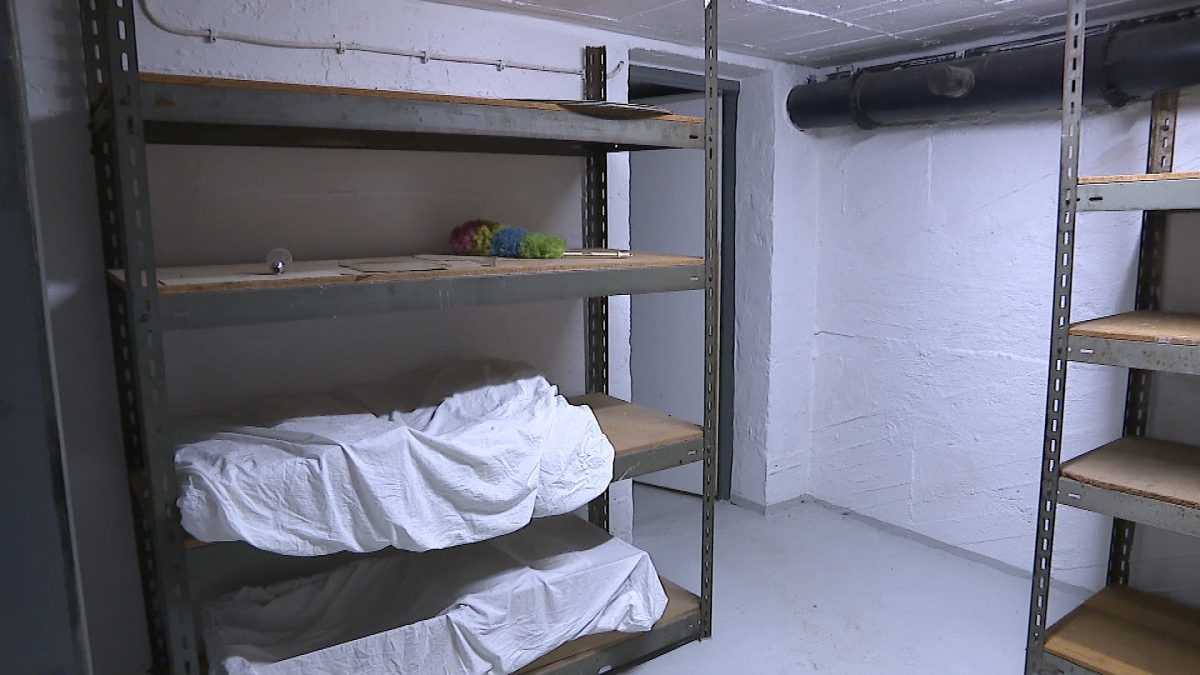
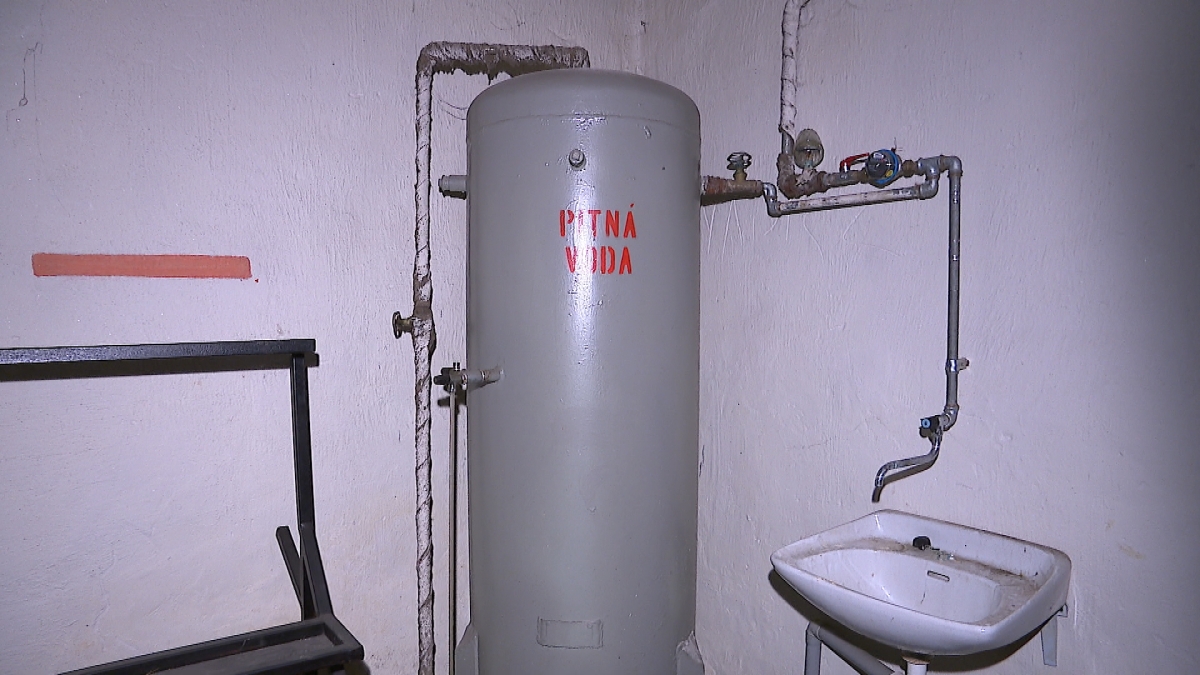
Surveys show that a significant portion of Slovaks either do not know the location of the nearest shelter at all or have only a vague idea about it. Some residents of Bratislava hope for the basements of schools or old buildings, but others admit: in case of danger, they would simply stay at home because they do not believe in the reliability of official civil defense facilities.
The situation in the capital is telling. For example, a shelter on Vazovova Street in Bratislava is designed for 100 people and has an emergency exit, but basic sanitary conditions are missing there. Security experts emphasize that a modern shelter must withstand not only mechanical damage but also provide air filtration and an autonomous water supply — conditions that are currently a luxury for most Slovak shelters. The local government of the Old Town district directly states: the available budget is not enough to bring the shelters up to modern safety standards.
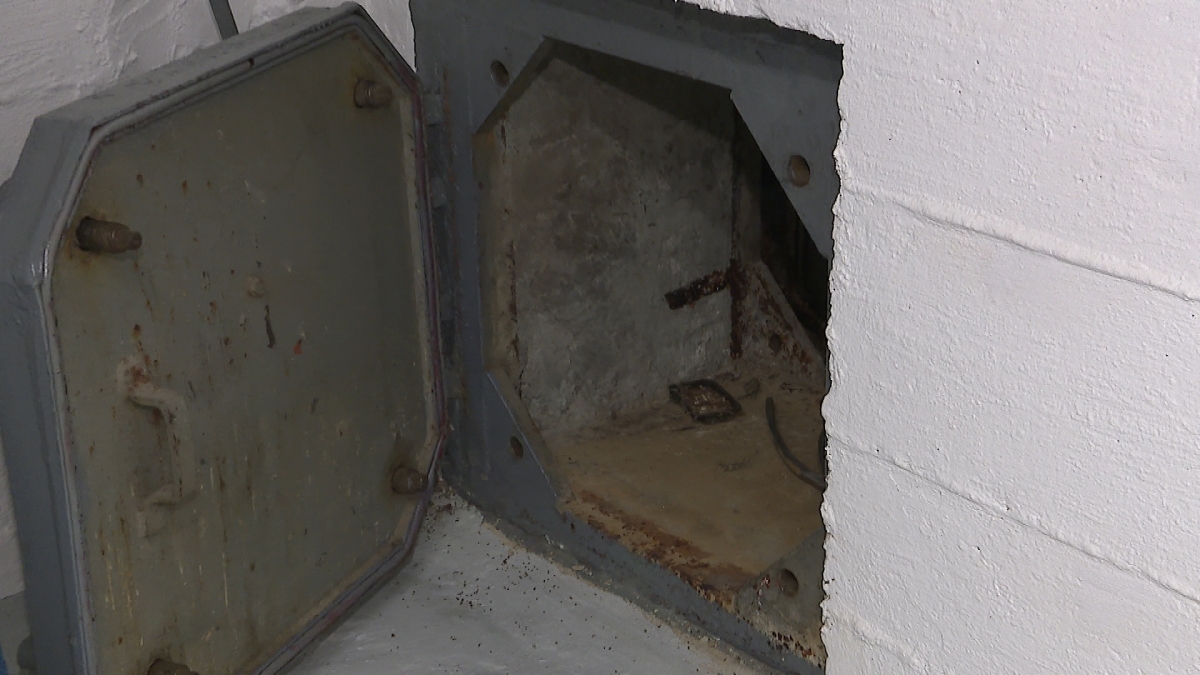
The head of the Association of Towns and Municipalities of Slovakia (ZMOS) Jozef Božik emphasizes that the country is significantly behind countries that have begun to actively invest in the safety of the population against the backdrop of geopolitical instability.
The key problems are lack of funds, technical obsolescence, and zero security. Municipalities do not have the resources even for basic maintenance of existing facilities, let alone for building new ones. Even the 14 shelters managed by the Bratislava region are only partially recognized as functional. Analysts note that the current state of the shelters does not give citizens real guarantees of protection in case of military conflict.
The Ministry of Interior of Slovakia is already developing a strategy for the restoration of existing infrastructure and the construction of new protective facilities. However, the department's plans are long-term — real modernization results are expected only by the end of 2028.
Until then, specialists advise citizens to independently study the map of available shelters and prepare an emergency bag in advance, as the state of the civil defense system still requires radical reforms.