
Difficulties with getting appointments at the migration police in Slovakia have long been a serious problem for foreigners. Despite many promises and technical changes, the situation remains critical. People don't know what to do — appointments are "caught" for months, and resellers continue to operate. In this article, we will explain how the system used to work, why the problems arose, and what is known about the current situation as of November 2025.

 In the same communities, users began to share their experiences, warn each other about unscrupulous intermediaries, or, conversely, recommend trusted ones.
Warnings appeared in the groups such as:
In the same communities, users began to share their experiences, warn each other about unscrupulous intermediaries, or, conversely, recommend trusted ones.
Warnings appeared in the groups such as:
 Thus, someone profited from people's problems, while others were left deceived and without money.
 At the same time, positive initiatives began to appear in the groups — users shared information about available appointments when they accidentally managed to see open slots. And someone, on the contrary, wrote about their positive experience of buying an appointment:

 The Slovak migration police periodically published announcements on their official Facebook page, such as: "April appointments without reservation: on these days, migration police departments will again operate without prior appointment." Such messages appeared periodically when the police temporarily allowed reception without online reservation to reduce the influx of visitors and partially relieve the system.


 The correspondence shows that many resellers catch appointments manually — which is why the actual waiting time for the user can be a week or longer.
Changes in the System (August 2025)
In August 2025, the Slovak migration police introduced mandatory BOK codes and several new technical measures (This was explained in the article "How to book an appointment with the Slovak migration police") The goal of these changes was to prevent the buying and selling of appointments, which had been a major problem with the system for a long time. Under the updated rules, the Ministry of Interior launched a modernized platform for booking appointments online at migration police offices. Now, all services are divided into two categories:
The correspondence shows that many resellers catch appointments manually — which is why the actual waiting time for the user can be a week or longer.
Changes in the System (August 2025)
In August 2025, the Slovak migration police introduced mandatory BOK codes and several new technical measures (This was explained in the article "How to book an appointment with the Slovak migration police") The goal of these changes was to prevent the buying and selling of appointments, which had been a major problem with the system for a long time. Under the updated rules, the Ministry of Interior launched a modernized platform for booking appointments online at migration police offices. Now, all services are divided into two categories:
How the System Worked Before (Before 2023–2024)
Previously, appointments at the migration police were made through an online form on the Ministry of Interior's website. Free slots appeared irregularly — once a week or even once a month. Whoever managed to book got an appointment. There were no restrictions for users: one email could book dozens of times. However, even then, the system suffered from overloads and technical flaws. Often, the page froze, users couldn't access the system, and the booking process became a real challenge.When and Why Problems Started
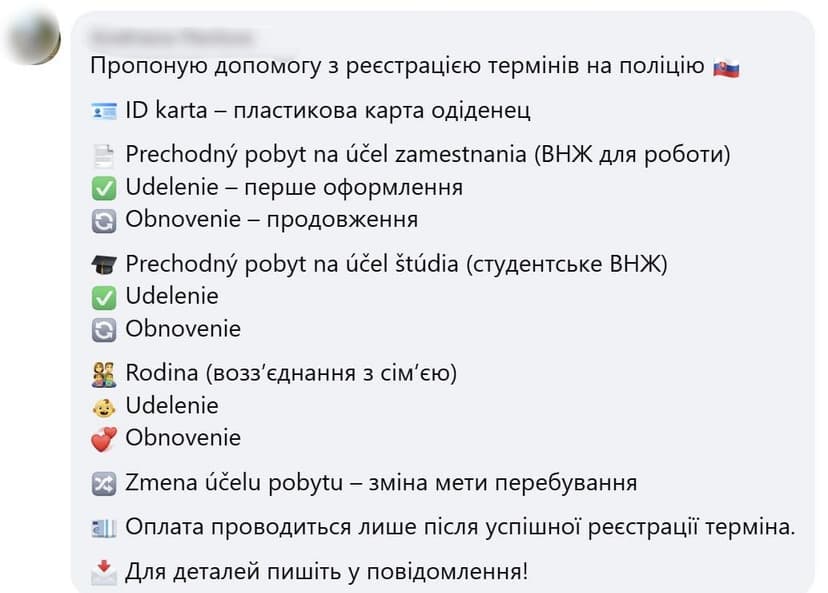
Problems began at the end of 2022 – the beginning of 2023. The main reason was a sharp increase in the number of foreigners in Slovakia, especially Ukrainians, and an increase in labor migration, with the same number of police officers. It was especially difficult to book appointments in Trnava, Nitra, and Žilina, where there were almost no free slots left. It was easier to get an appointment in Bratislava due to the opening of additional "windows" in the system. The first user complaints described how difficult it was to "hunt" for an appointment: people constantly logged into the system, checked for updates, even at night, and the system often froze or didn't work at all. They massively bought up all available slots and resold them for 100–250 euros. In Telegram and Facebook groups for Ukrainians in Slovakia, posts about selling appointments and ads from intermediaries began to appear. Many people were forced to pay because it was practically impossible to book an appointment themselves. However, even after payment, not everyone received their appointment — some "sellers" turned out to be scammers.
In the same communities, users began to share their experiences, warn each other about unscrupulous intermediaries, or, conversely, recommend trusted ones.
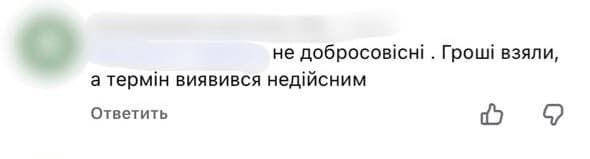
Warnings appeared in the groups such as:
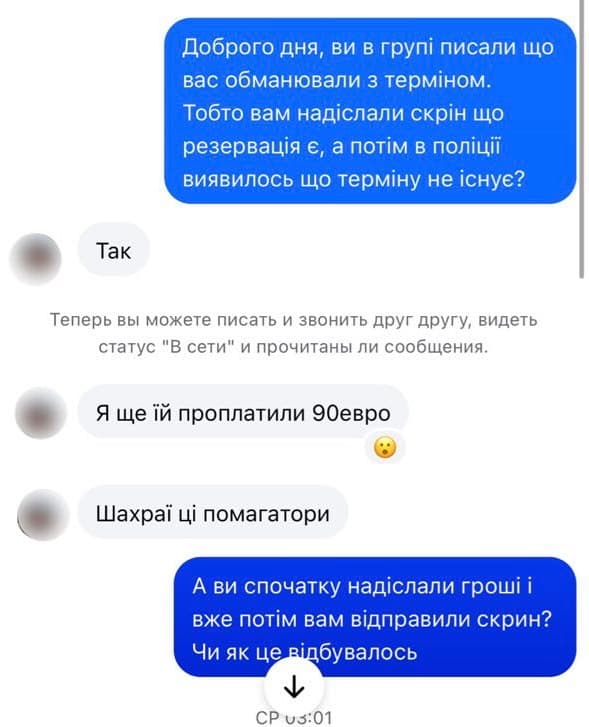
Thus, someone profited from people's problems, while others were left deceived and without money.
At the same time, positive initiatives began to appear in the groups — users shared information about available appointments when they accidentally managed to see open slots. And someone, on the contrary, wrote about their positive experience of buying an appointment:
The Slovak migration police periodically published announcements on their official Facebook page, such as: "April appointments without reservation: on these days, migration police departments will again operate without prior appointment." Such messages appeared periodically when the police temporarily allowed reception without online reservation to reduce the influx of visitors and partially relieve the system.
How Resellers Operate
Resellers used a combination of bots, VPNs, and dozens of accounts. A bot scanned the system every 3 seconds, booked a slot, and then resold it for money. Now, most resellers sit and constantly access the page, refresh it, and catch free appointments themselves, sometimes simultaneously in several tabs or on several phones. In the photo below, you can see "teams" of dozens of phones, notes, and people who "catch" slots in real-time — it all looks almost like a slot resale factory.
How the Scheme Works — Step by Step
Briefly and clearly (R — reseller, A — applicant for an appointment):- A sends R their passport details (usually a photo of the first page of their foreign passport). Some R ask for prepayment, most do not.
- R registers A for an appointment in the system.
- R asks for payment; after successful booking, R sends A the PIN code for the police.
The correspondence shows that many resellers catch appointments manually — which is why the actual waiting time for the user can be a week or longer.
Changes in the System (August 2025)
In August 2025, the Slovak migration police introduced mandatory BOK codes and several new technical measures (This was explained in the article "How to book an appointment with the Slovak migration police") The goal of these changes was to prevent the buying and selling of appointments, which had been a major problem with the system for a long time. Under the updated rules, the Ministry of Interior launched a modernized platform for booking appointments online at migration police offices. Now, all services are divided into two categories:
- Authorized — for people who already have a temporary or permanent residence permit (pobyt/trvalý pobyt) and have activated their BOK code;
- Unauthorized — for foreigners who are just submitting documents or are not yet in the system.
- Resellers and new scammers have not disappeared.
- Prices for "appointments" have increased.
- Those who do not have a card continue to face great difficulties.
Current Situation
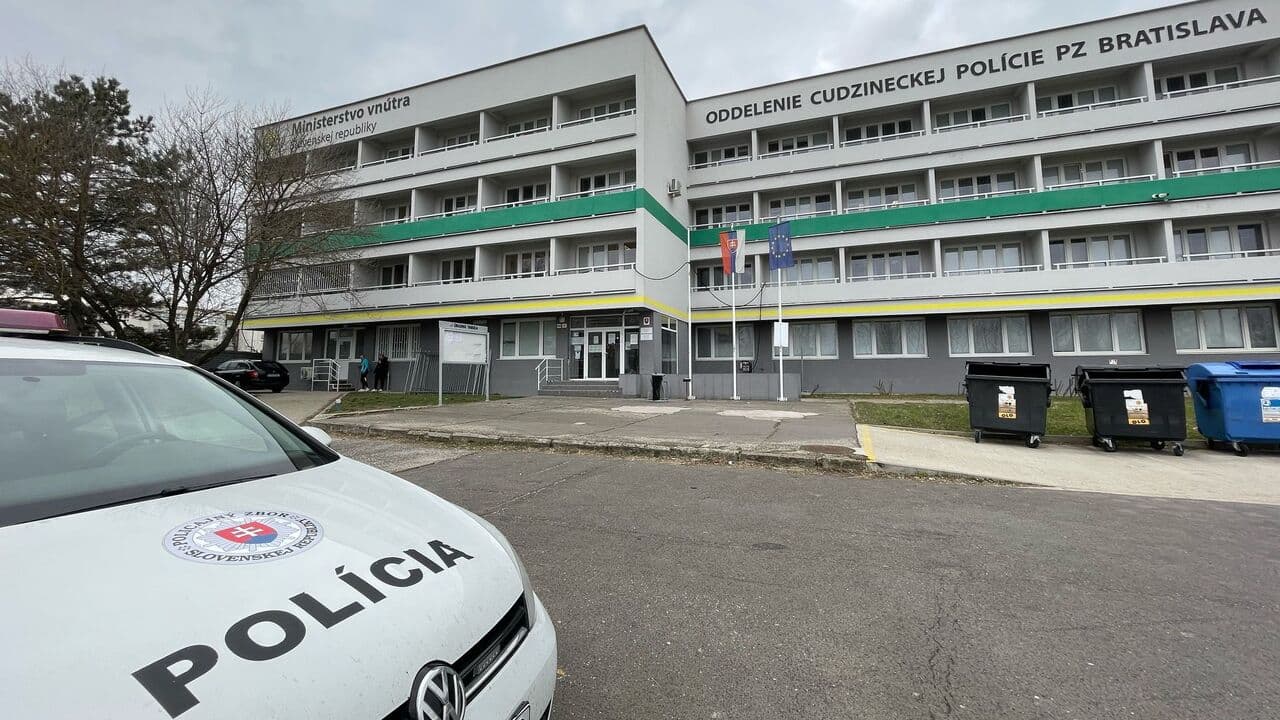
On October 20, 2025, a parliamentary inspection of the migration police took place in Bratislava. Members of parliament stated: the system is still overloaded, it is especially difficult for Ukrainians to get appointments, and the waiting time for temporary asylum exceeds 90 days."Our system should work perfectly, not just be 'patched up.' Otherwise, we will lose talented people and highly qualified specialists who are discouraged by endless waiting," — emphasized Zuzana Števulová, a Slovak politician and lawyer, formerly a human rights activist.Main problems of the migration police in Slovakia:
- System overload and staff shortage do not allow all applications to be processed on time. Because of this, even basic procedures take weeks, and sometimes months.
- Insufficient information support for foreigners — many materials are only available in Slovak, and police officers often do not speak English.
- Presence of resellers and queues, unavailability of appointments for Ukrainians, especially those applying for temporary asylum.
- Introduction of new technical measures that will make "buying appointments" impossible (effect expected within 2-4 weeks).
- Analysis of the system by the end of November to identify bottlenecks.
- Installation of electronic kiosks for biometrics, which will avoid a second visit.
- Hiring civilian employees to help process applications.
- The planned opening of a large center in Snina for Ukrainians has not yet been implemented.