
The fact that some 2 euro coins are worth hundreds of times more than their face value was highlighted by the portal Peniaze and Raiffeisen banka. For Ukrainians in Slovakia, this topic is very practical: euro coins from all eurozone countries circulate freely, and a valuable coin could end up in your wallet after shopping at Lidl or a gas station. Here's what to look for.
A Monaco Legend for 4000 Euros
The most expensive commemorative two-euro coin is a 2007 coin from Monaco, dedicated to the 25th anniversary of the death of Princess Grace Kelly, a former Hollywood actress. Only 20,001 coins were minted.
Rarity is what made the price: today the coin costs between 2500 and 4000 euros. Coins in perfect condition and original packaging sell for even more. The initial price when it was released was 120 euros.
However, there's a catch: it's almost impossible to find it in regular circulation. All coins were issued in *proof* quality – the highest minting quality with a mirror-like surface – and were sold in special collector's cases. The same is true for most "numismatic monsters": they never entered general circulation.
What Else Collectors Value
Monaco is generally a leader in expensive issues, but other small eurozone countries also have interesting coins:
Monaco, 2015. A coin for the 800th anniversary of the construction of the first castle on the rock. The mintage is even smaller – 10,000 pieces. The value reaches 3000 euros.
Vatican, 2005. Issued for the 20th World Youth Day in Cologne. 100,000 coins were minted, and today the price is between 300 and 500 euros.
San Marino, 2004. A coin dedicated to the numismatist Bartolomeo Borghesi. In *proof* quality, it costs up to 2000 euros.
The rule is simple: the smaller the mintage and the more interesting the occasion, the higher the price. Countries with small mintages – Monaco, Vatican, San Marino – traditionally produce the most valuable issues because there are physically fewer of their coins in circulation.
Defects That Pay
A separate category is coins with *chyborazba* (minting errors). These include a shifted center of the image, double outlines, incorrect inscriptions, and other defects that the mint did not catch. Each such coin is practically unique, and the price depends on the type and rarity of the error.
An example from practice: an Irish two-euro coin with a standard harp but with a minting defect was sold on eBay for 859 euros. Similar coins from Germany or Portugal regularly appear at auctions for prices hundreds of times higher than their face value. And this is a more realistic find: coins with errors do enter general circulation, unlike collectible *proof* editions.
How to Check Your Change
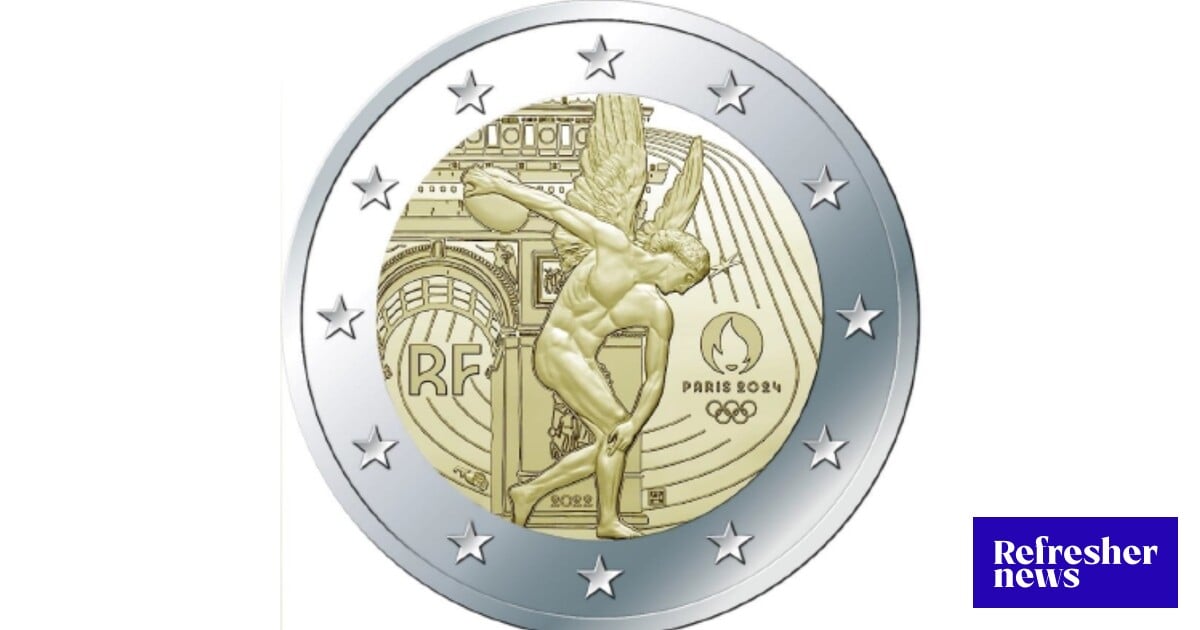
Next time you get change, look at the coins with the national side facing up (two-euro coins have a common reverse, but the obverse is different for each country). Look for:
coins from Monaco, Vatican, San Marino – any of them are already interesting;
commemorative issues with an unusual image instead of the standard one;
visual defects: shifts, double outlines, "blurry" inscriptions.
Where to Sell a Valuable Coin?
If you find something potentially valuable, the best way to get a market price is to sell the coin through specialized platforms where collectors from all over the world gather. Here are a few options:
International Auctions. Aggregator sites like biddr.com or Sixbid collect offers from dozens of European numismatic auction houses. This is the best option for truly rare items.
Online Marketplaces. The global eBay remains a popular place to sell coins, especially for items with minting defects.
Slovak Numismatic Shops. You can also seek an appraisal and sale from local specialists. For example, through the websites NUMIZMATIK.EU or Numizmatickyobchod.sk. The price might be slightly lower than at an international auction, but it's a faster and simpler method.
Before selling, it's a good idea to get an appraisal from several sources to better understand the real value of your find. And most importantly: do not polish or clean the coin. For collectors, condition is everything, and a rare coin polished to a shine loses much of its value. Let the treasure look like a treasure, not like change from a coffee machine.