

The captain of a cargo ship, which was supposed to deliver fuel from Bratislava to Budapest, is now anchored and looking at the water level gauge. In Komárno, it shows 72 centimeters, in Štúrovo only 17. It is impossible to sail: the large ship would simply run aground. This scenario is repeating this Wednesday along the entire Slovak-Hungarian section of the Danube.
In July 2026, the average monthly flow of the Danube dropped to 39% of the long-term norm for this month. For a river with a usually stable water regime, one of Europe's main transport arteries, the situation is unusual. The Transport Authority (Dopravný úrad) confirmed: ships with a large draft cannot safely pass critical sections and are forced to wait at anchorages.
What this means for industry
The Danube is not a tourist attraction, but a working route on which hundreds of tons of ore, coal, fuel, chemical products, and steel travel every day. The most noticeable consequence of the drought affects the Slovnaft oil refinery, which uses the river to deliver raw materials and export products. As HNonline writes, the company has already reduced river transport by about half.
For ordinary people, this does not yet mean queues at gas stations. But the risk of disruptions in supply and production is real if the situation continues. Moreover, moving cargo from water to road and rail inevitably increases logistics costs, which are ultimately factored into prices.
Carriers are having the hardest time. To reduce their draft, ships are loaded only partially, and some companies are using about a third of their capacity. Waiting at anchor and incomplete voyages mean direct financial losses. Shipowners are already warning that things will get worse.
Tourism is also affected
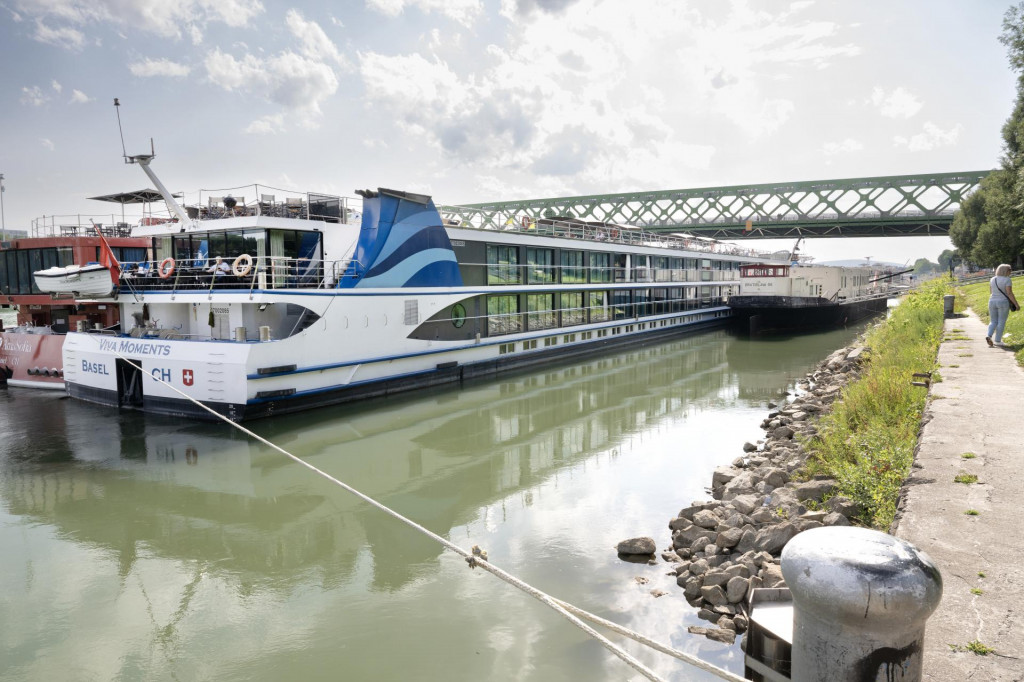
Restrictions have affected not only cargo ships on the water. Large cruise liners operating on the Bratislava-Budapest route cannot pass through shallow sections. Some ships are forced to disembark passengers in Komárno, from where tourists are transported by bus, as reported by the local publication.
If you were planning a river cruise or a steamboat trip at the end of July or the beginning of August, it is worth checking with the operator in advance if the route has been changed.
The problem is wider than Slovakia
The drought is affecting the entire Danube basin. In Hungary, the water level as of mid-July was only 8 centimeters above the historical minimum. This was warned by the Hungarian water management authority. In Romania, the river level has dropped to a 30-year low, cargo ships have also stopped there, and farmers are facing problems with irrigating their fields.
Hydrologists from the Slovak Hydrometeorological Institute (SHMÚ) explain the situation by the prolonged absence of significant rainfall combined with high temperatures. Slovakia itself is also suffering: significant and even extreme drought has affected mainly the west of the country, as well as the south of the central and eastern parts.
What's next
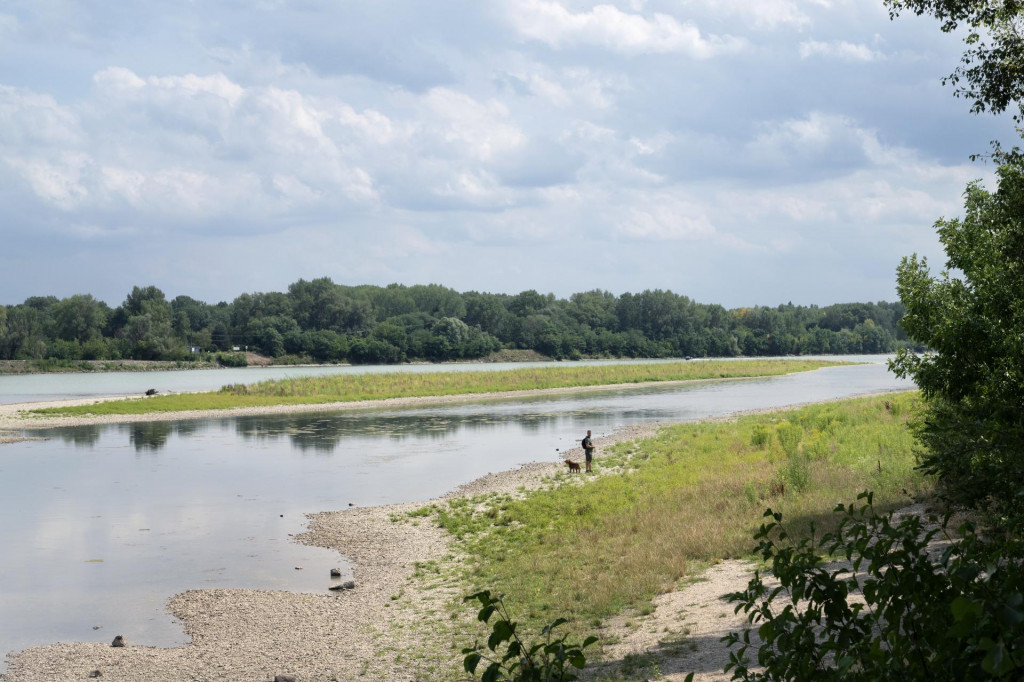
Quick improvement is not expected. The rains that forecasters predict for the end of July and the beginning of August may slightly raise the water level. However, for the restoration of full navigation, prolonged and intensive rainfall throughout the Danube basin, from Germany to Romania, is needed. A local downpour over Bratislava will not solve the problem.
The practical conclusion for the residents of Slovakia is simple. There is no direct threat to water supply or fuel prices at the moment, but it is worth monitoring the situation if you work in logistics, industry, or are planning river trips. And for those who live near the river, it is also an opportunity to see the Danube as it is rarely seen: with exposed riverbeds and sandbars where water usually flows.